Discover Fez
Fez is a city that seems to defy time. Behind the gates of Morocco's oldest imperial city unfolds a world of refined madrasas, centuries-old crafts, and a spiritual heritage that is still palpable today — a place where the soul of Morocco can be discovered in its most authentic form.
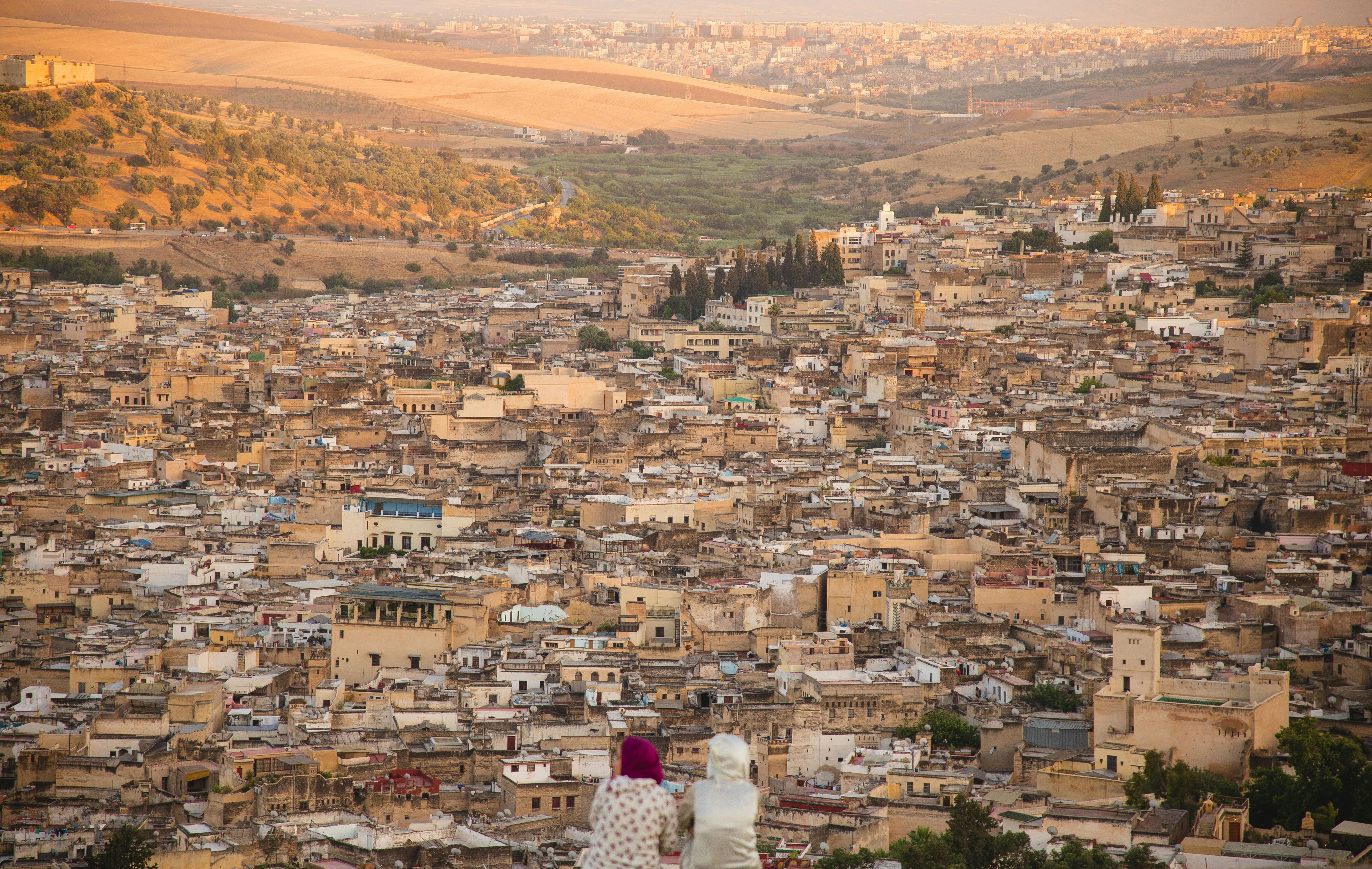
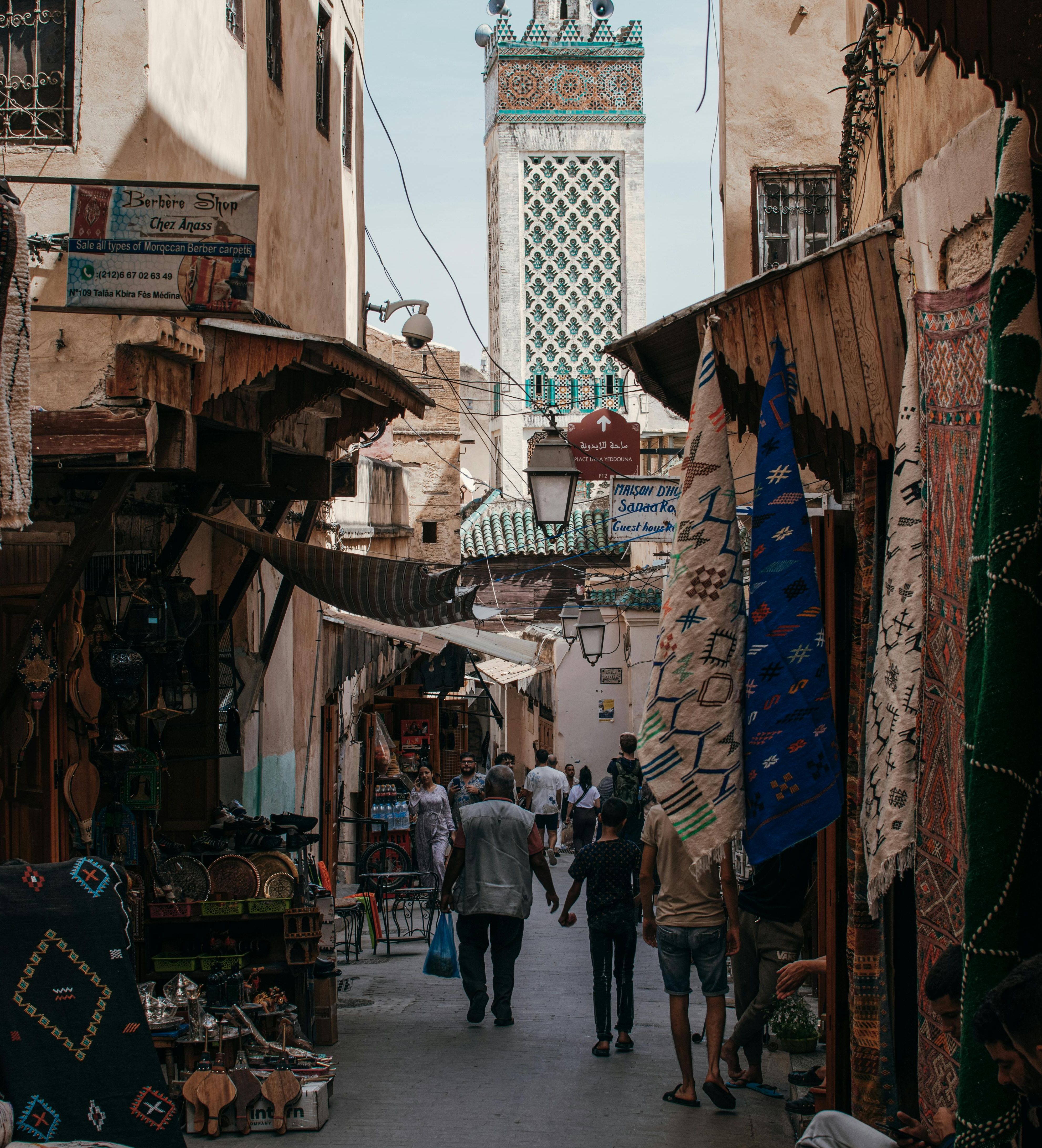
Entering Fez means stepping into a living museum. The medina Fes el-Bali, protected as a UNESCO World Heritage Site, is the largest car-free urban area in the world with its nine thousand streets and alleyways. Here, tanners, metalworkers, and weavers work using techniques that have remained virtually unchanged for a thousand years. The narrow gassen echo with the calls of muezzins, the muffled rhythm of hammers on copper, and the gentle swishing of weaving looms — sounds that have resonated here for centuries.
Fez is the cradle of Moroccan civilization. The University of al-Qarawiyyin, founded in 859 and thus the oldest still-operating university in the world, bears witness to a rich intellectual tradition that has brought Fez recognition far beyond Moroccan borders. At the same time, the city is far from a museum piece: a new generation of artisans, artists, and hoteliers is breathing new life into this fascinating place with respect for its heritage.

What you can expect:
- The oldest and most authentic royal city of Morocco
- Fes el-Bali: the largest car-free medina in the world and a UNESCO World Heritage site
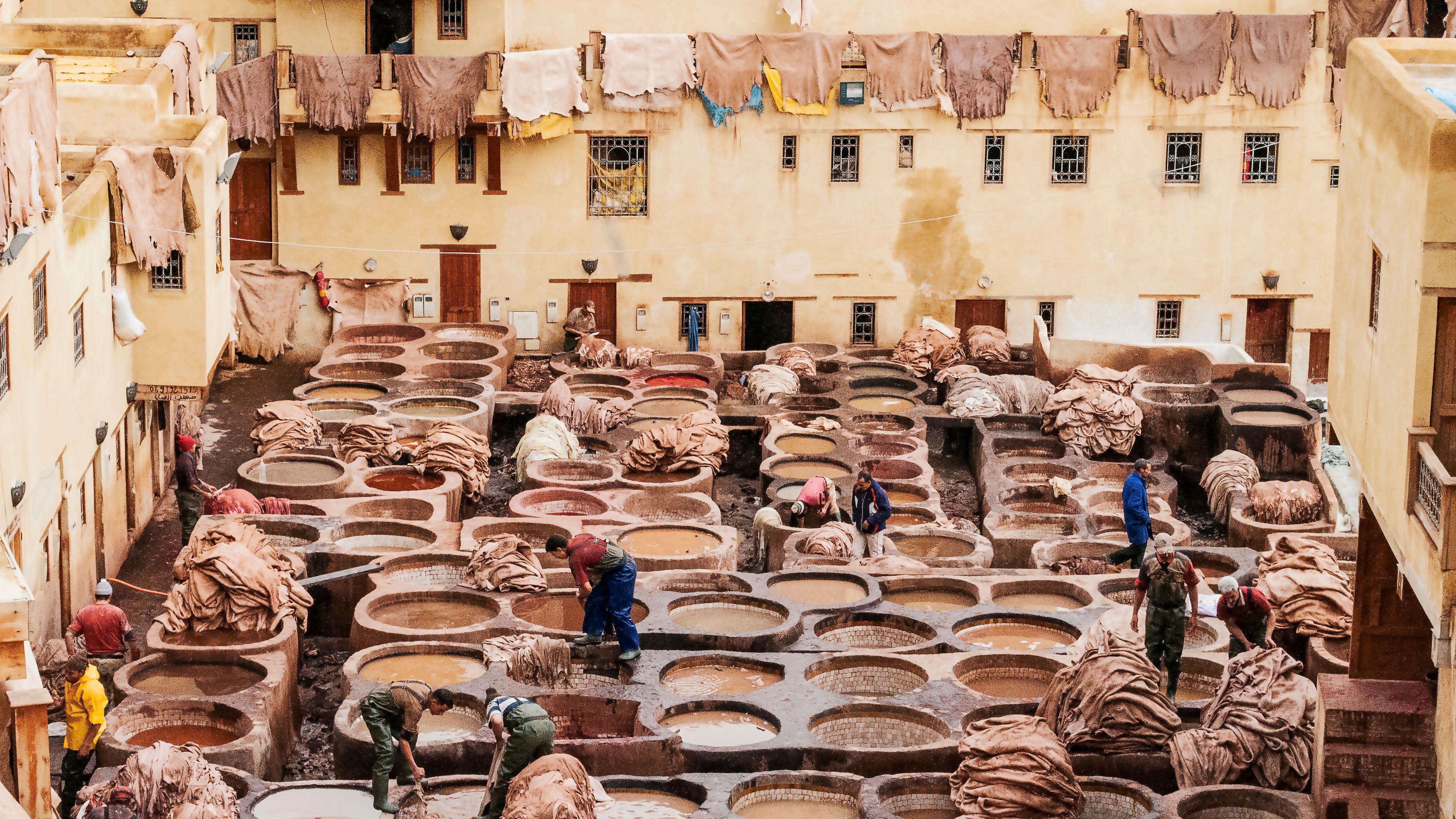
- Living crafts: tanneries, copper workers, weavers, and potters working according to centuries-old traditions
- Refined Marinid architecture in its purest form
- The most sophisticated cuisine in Morocco, with Andalusian influences
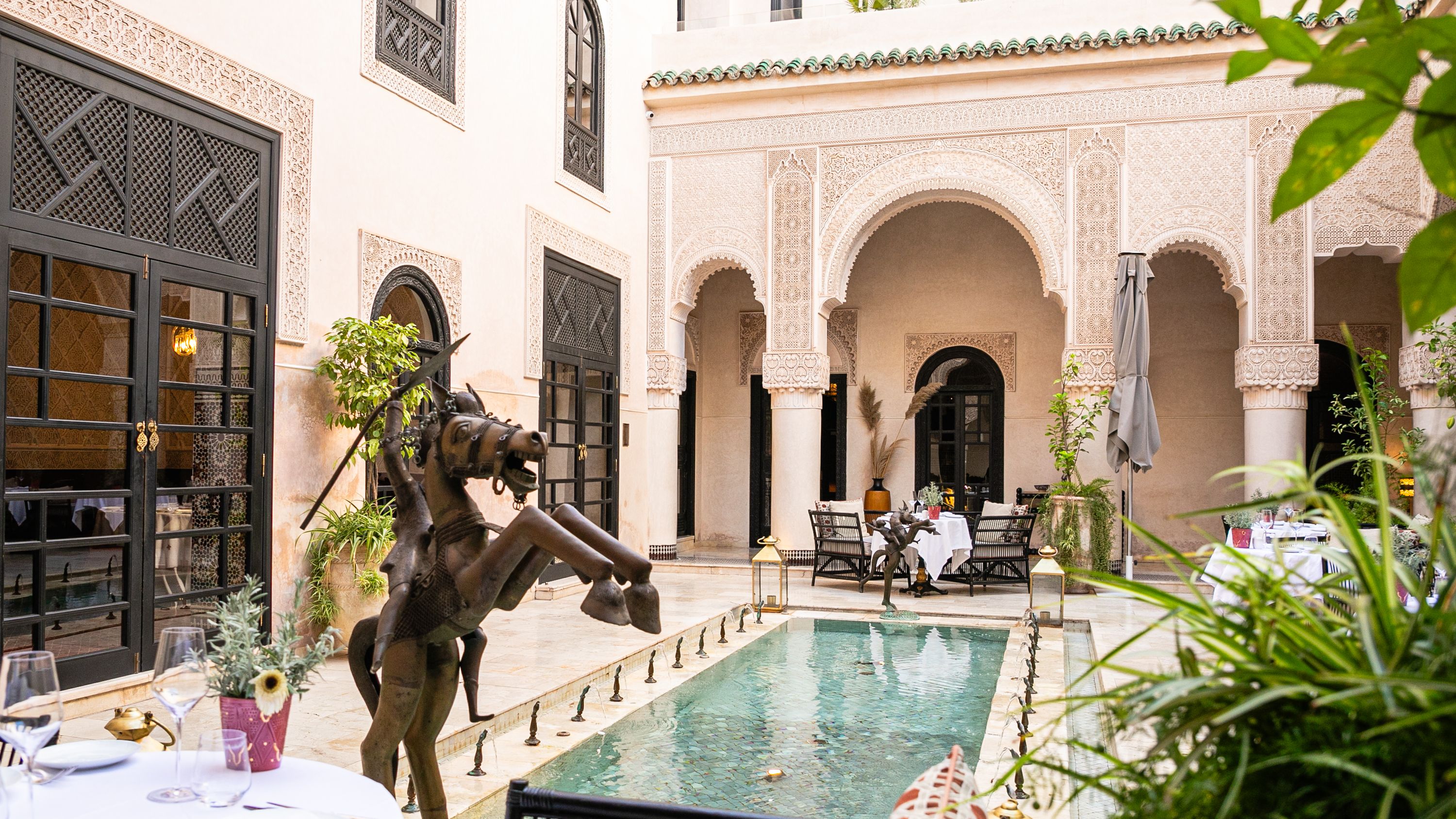
- Characteristic riads behind unassuming doors, with serene courtyards
The Most Beautiful Sights of Fez
Fez is a city that reveals its secrets to those who take the time to look. Behind unassuming gates lie exquisite madrasas, in quiet corners the rhythm of centuries-old crafts can be heard, and in every square, the city tells a new chapter of its rich history. These are the places that truly make a trip to Fez unforgettable.
Medina Fes el-Bali
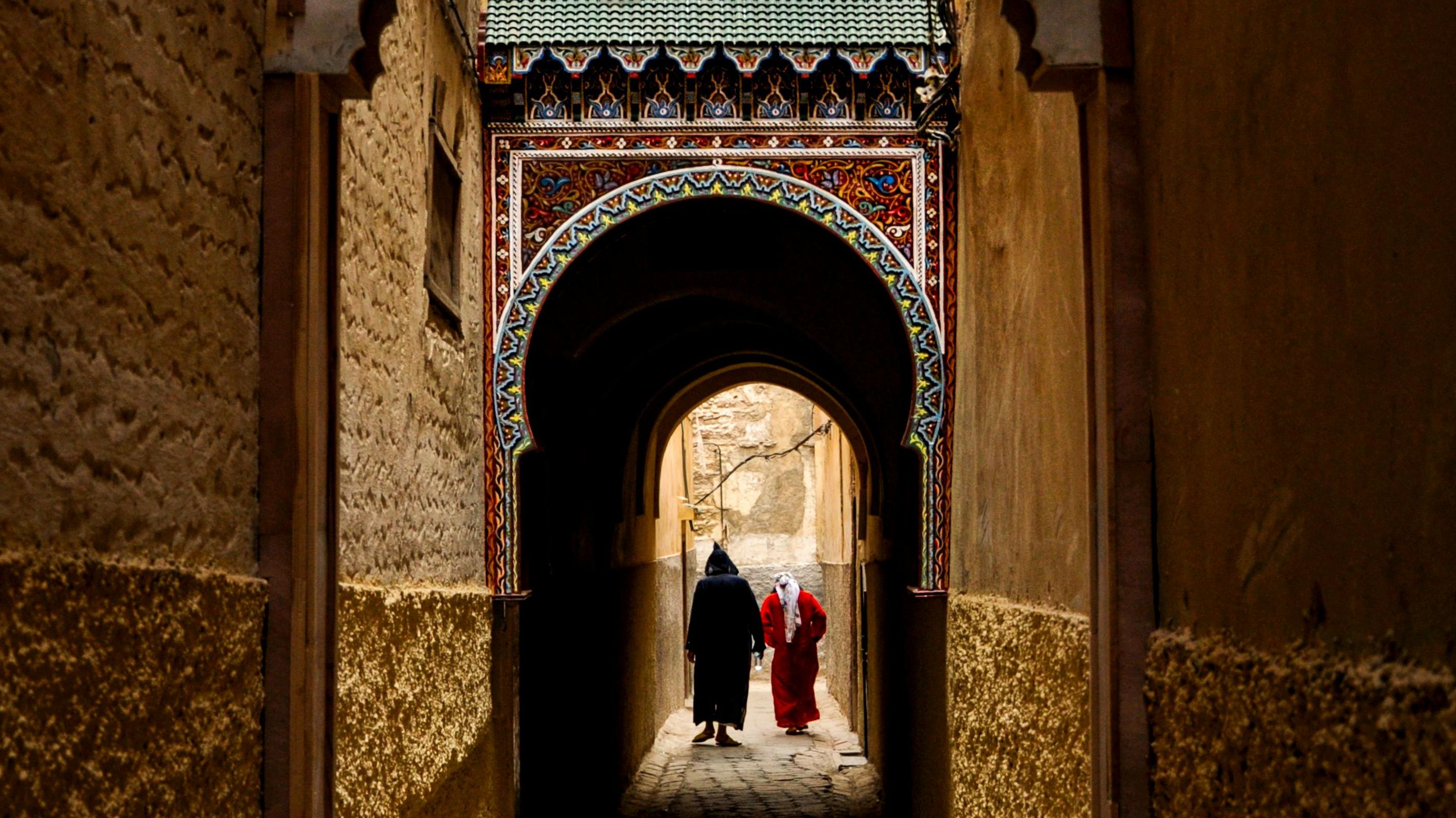
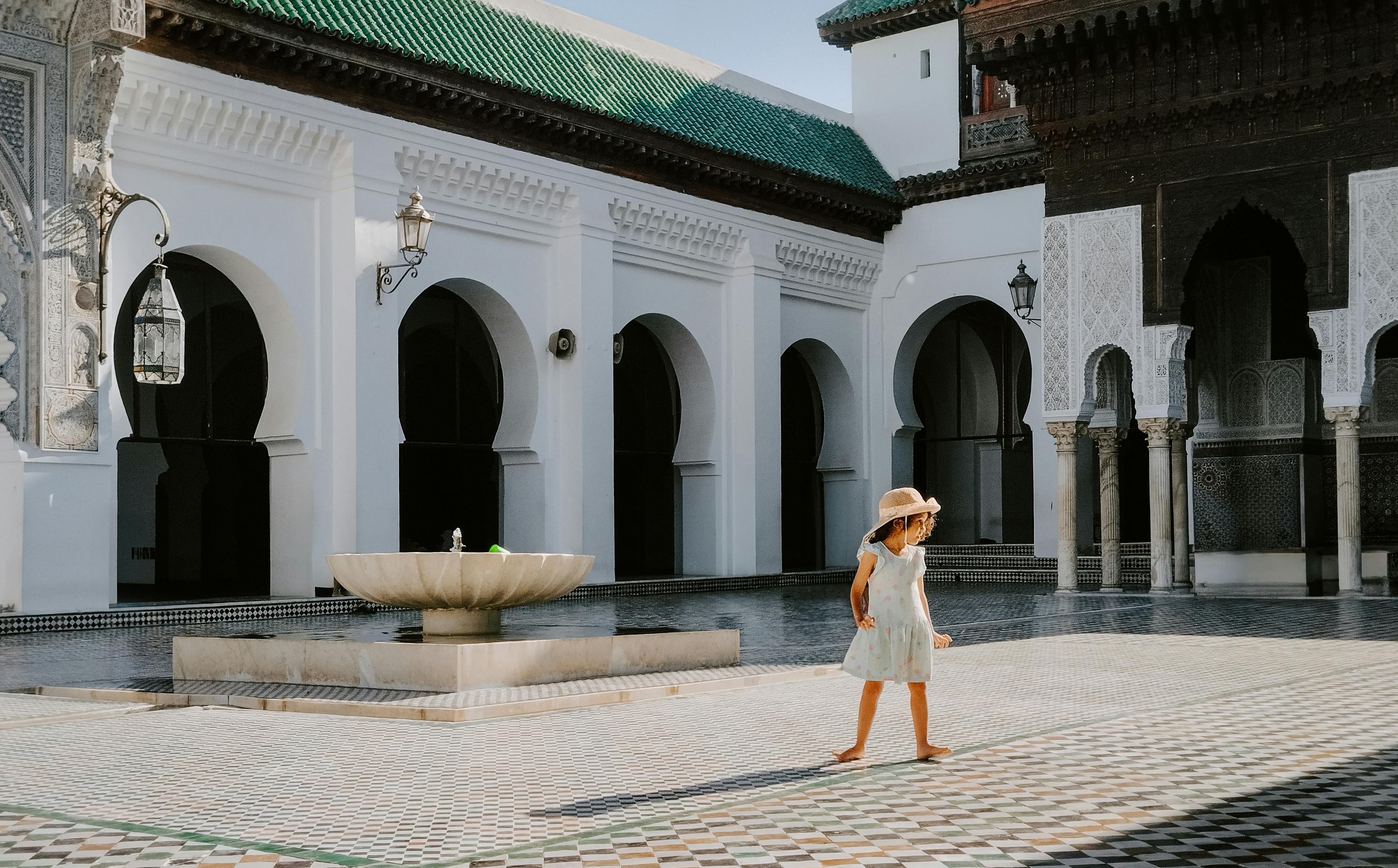
The old medina of Fez is a world unto itself. With nine thousand streets, it forms the largest car-free urban area in the world and a living example of a medieval Arab city. The medina consists of countless small squares, fondouks, and workshops that are interconnected like a mosaic. With a personal guide who knows the secrets of this city, doors that are usually closed to visitors are opened, turning a walk through the medina into a journey through a thousand years of history.


Jardin Majorelle & Musée Yves Saint Laurent
This iconic garden, once the personal oasis of the French painter Jacques Majorelle and later lovingly restored by Yves Saint Laurent and Pierre Bergé, is a true outdoor masterpiece. The distinctive 'Majorelle Blue' creates a striking contrast with the lush cacti, palms, and bougainvillea. In addition to the garden, the Musée Yves Saint Laurent Marrakech offers an elegant insight into the work of the legendary fashion designer, housed in an architecturally impressive building that is worth a visit in itself.
Medersa Bou Inania
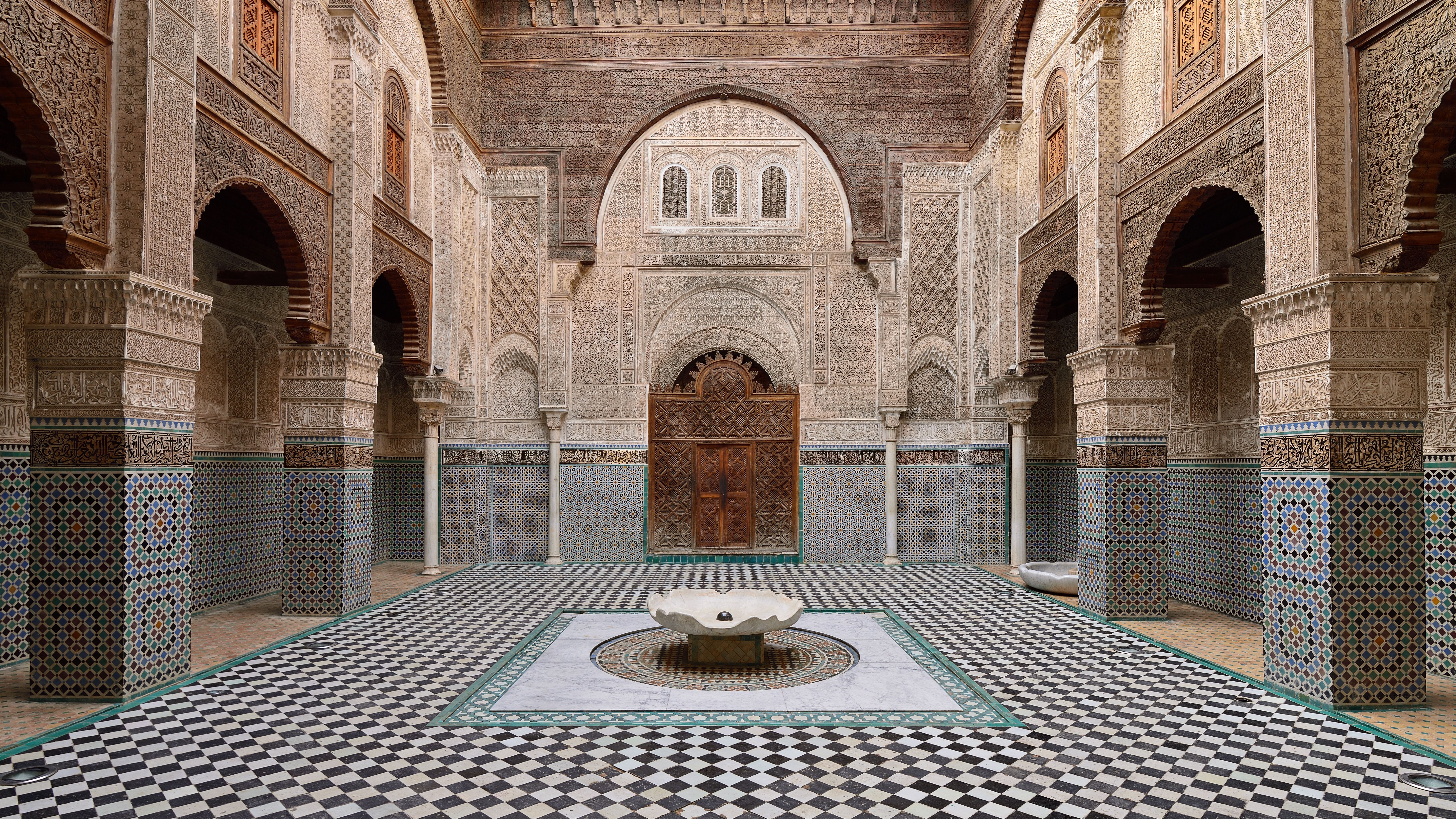
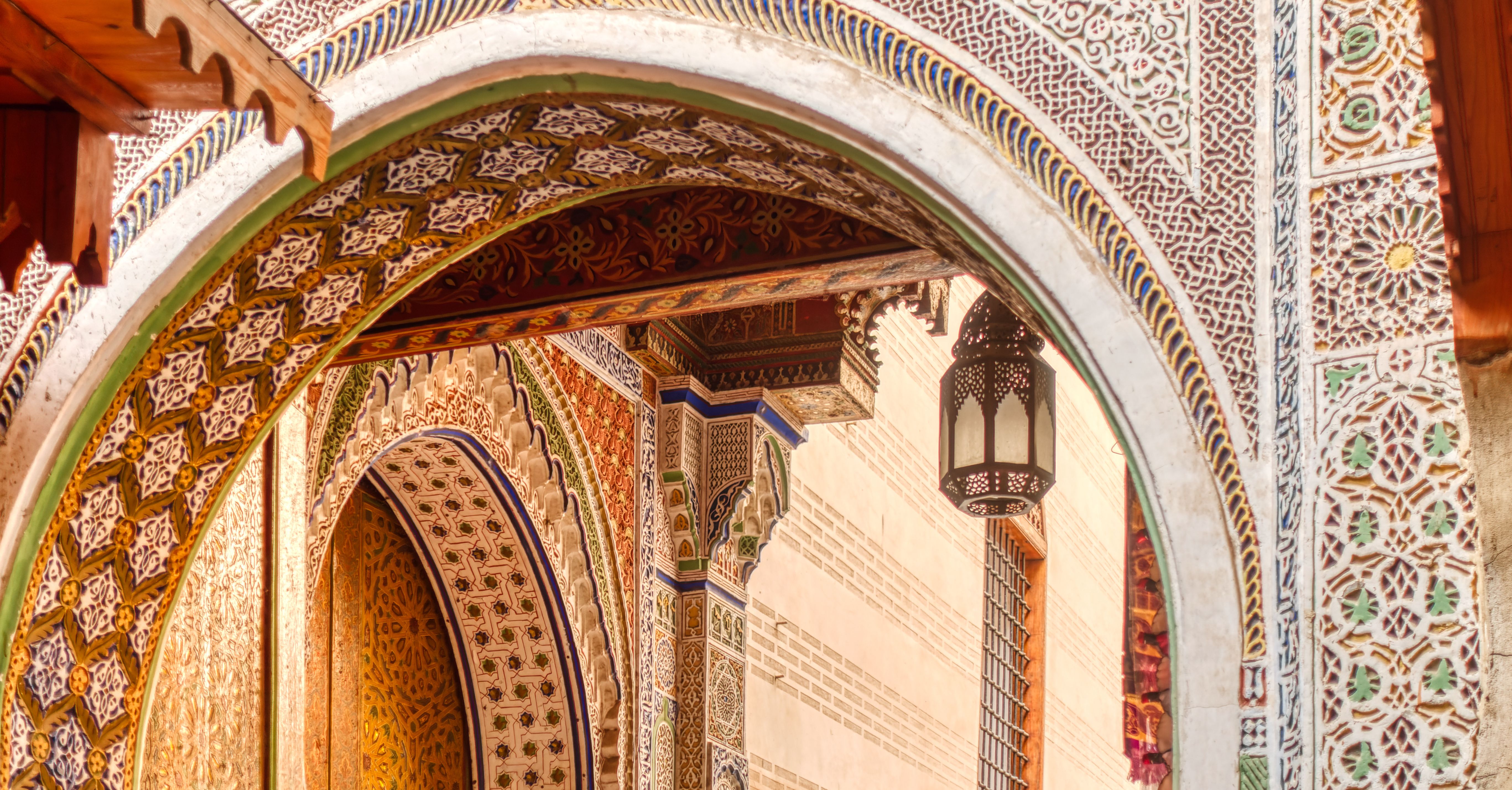
This 14th-century Quranic school is considered a masterpiece of Marinid architecture. Every surface tells a story: calligraphic friezes in cedarwood, geometric zellige mosaics in hundreds of shades, and finely carved stucco ornaments resembling lace. The courtyard, surrounded by a water basin for ritual purification, exudes a quiet grandeur. Unlike many other madrasas, the associated mosque is visible to everyone, making it one of the most impressive monuments in Fez.


Chouara Tannery
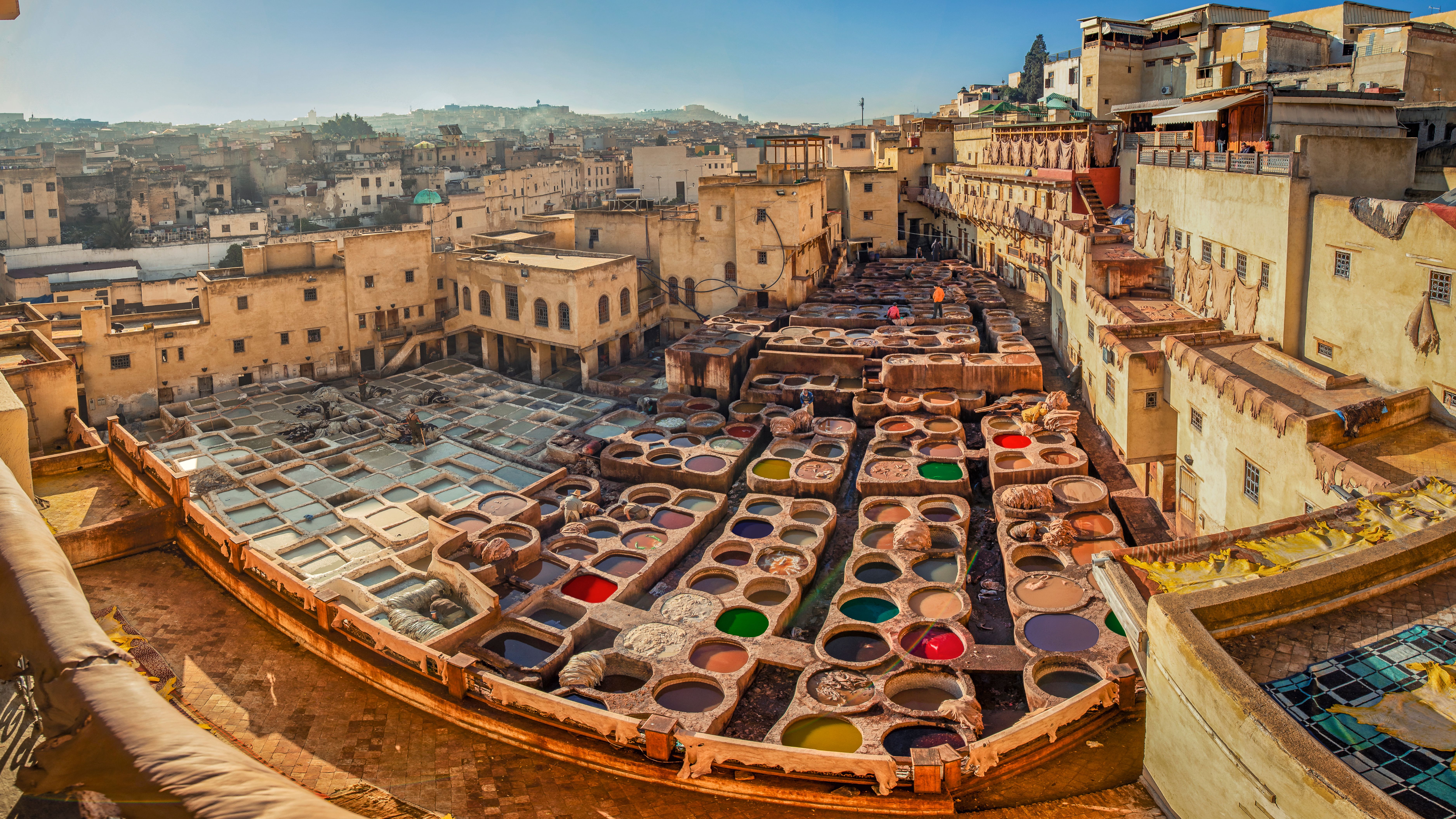
No place better illustrates the vibrant artisanal tradition of Fez than the tanneries of Chouara. From the balconies of the surrounding leather workshops, a spectacle unfolds that has remained largely unchanged since the 11th century: round stone vats filled with natural dyes, saffron for yellow, pomegranate for dark red, indigo for blue, where hides are processed using centuries-old methods. A sprig of fresh mint softens the intense aromas. A guided visit with an expert offers insight into this demanding craft and provides the opportunity to select from world-class fine leatherwork at renowned ateliers.
Nejjarine Square & Wood Museum
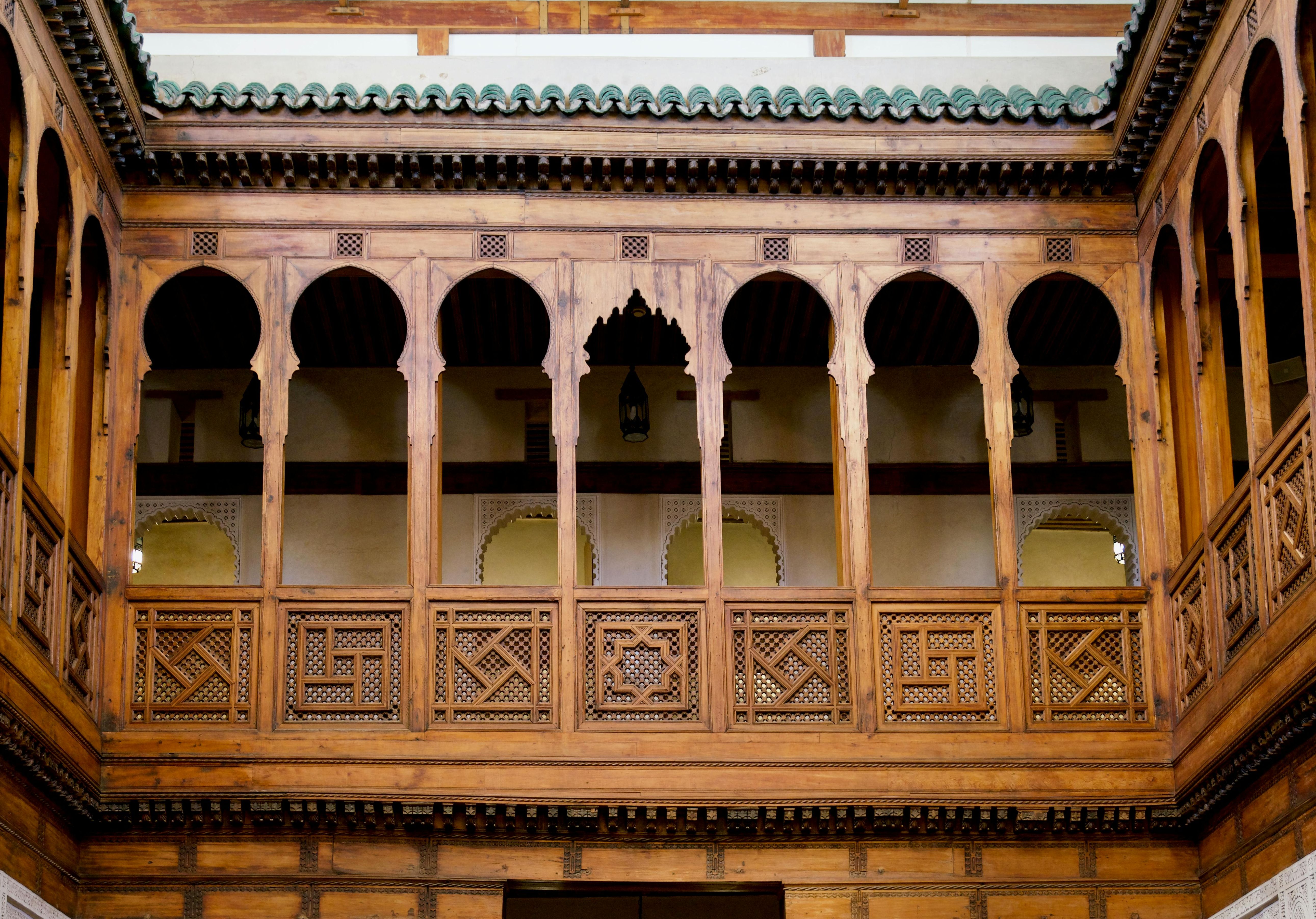
Tucked away in the heart of the medina lies the small yet refined Nejjarine Square, dominated by a beautifully tiled fountain and the restored Nejjarine fondouk. This former 18th-century caravanserai, where merchants once stored their goods and spent the night, has been transformed into a stunning museum dedicated to Moroccan woodwork. The three floors surrounding the zellij-covered courtyard showcase masterpieces of cedar wood ceilings, carved doors, and traditional furniture. From the rooftop terrace, visitors can enjoy a breathtaking panorama of the medina.


Le Jardin Secret
Hidden in the heart of the medina, behind a modest door, a lush world awaits. Le Jardin Secret consists of two gardens: an exotic garden with plants from all over the world and an Islamic garden designed according to centuries-old irrigation principles. The complex, restored with great care for historical authenticity, offers a rare moment of tranquility amidst the lively medina. From the rooftop terrace, you can enjoy a panoramic view over the city’s rooftops all the way to the snowy Atlas Mountains on the horizon.
Maison de la Photographie
This intimate museum, housed in a beautifully restored riad, features a fascinating collection of historic photographs of Morocco from 1870 to 1960. The images depict a Marrakech and a Morocco that in many ways appear surprisingly familiar, while other photos reveal a vanished world. It is a quiet, contemplative experience that offers a richer perspective on the city. The rooftop terrace also provides one of the most beautiful views over the medina.


Culinary Indulgence
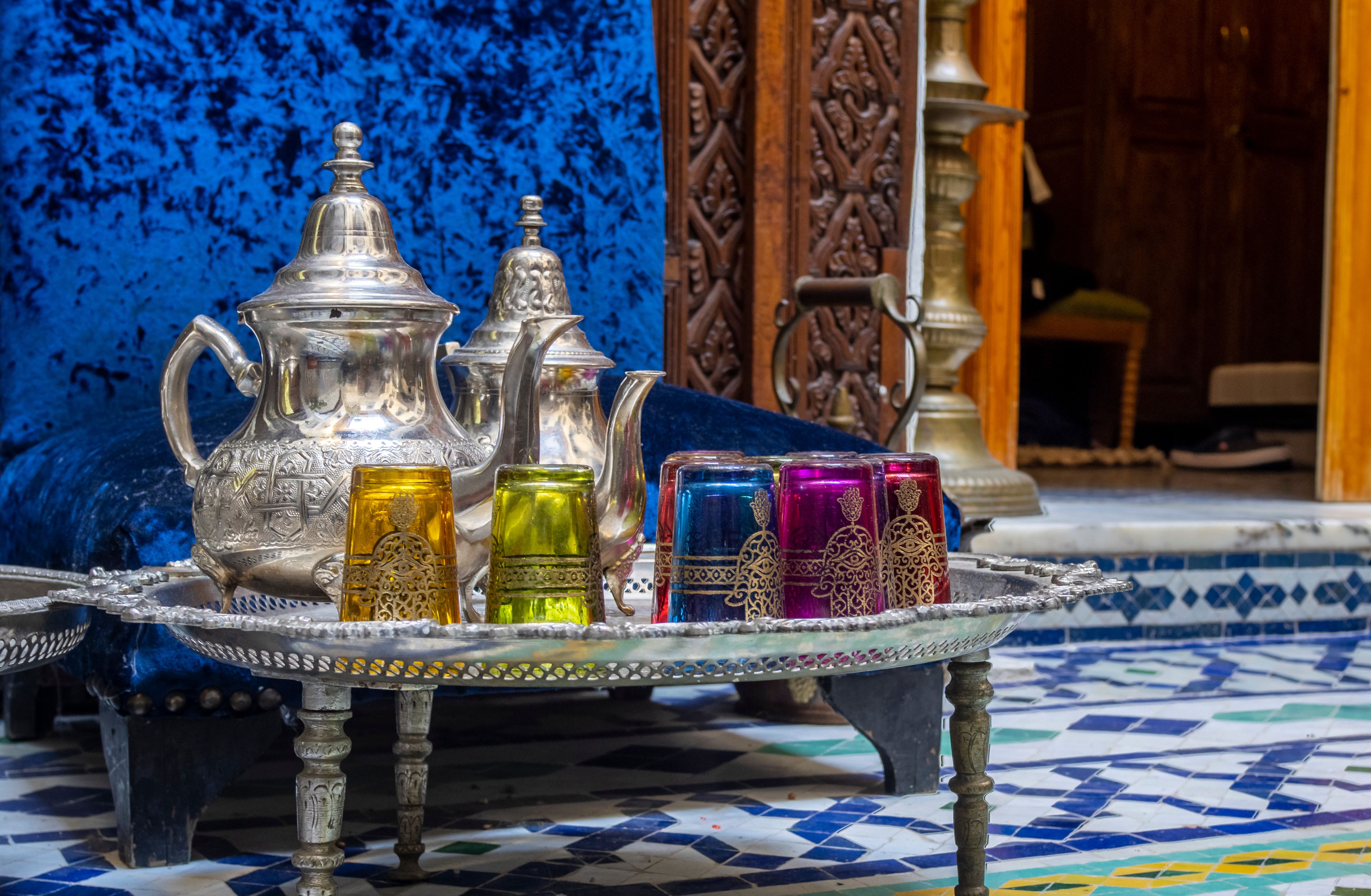
The cuisine of Fez is considered the most refined in Morocco, a direct legacy of the Andalusian refugees who brought their sophistication here in the fifteenth century. Think of the iconic pastilla: flaky pastry filled with pigeon meat, almonds, and cinnamon, dusted with powdered sugar. Imagine tagines simmering for hours over charcoal, sweet and savory combinations with candied fruits, and delicate pastries served with a glass of fresh mint tea in a shaded courtyard. A personal cooking workshop in a historic riad, guided by a Fassi chef, delves deeper into the ancient secrets of this cuisine — an intimate and unforgettable experience that allows you to literally taste the city.
Koutoubia Mosque
The silhouette of the Koutoubia minaret, seventy meters tall and visible from almost every point in the city, is the iconic symbol of Marrakech. This twelfth-century mosque, built under the Almohad dynasty, served as an inspiration for both the Giralda in Seville and the Hassan Tower in Rabat. Although the mosque itself is only accessible to Muslims, the surrounding gardens are a beautiful place to admire the building and its intricate geometric decorations in the shade of orange trees — especially impressive when the minaret lights up at sunset.


Royal Palace & the Mellah Jewish Quarter
Outside the walls of the old medina lies Fes el-Jdid, the 'new Fez' from the thirteenth century. Here are the monumental golden gates of the Royal Palace, which can only be admired from the outside, but with their bronze doors, zellij decorations, and cedar wood lintels, they are a true work of art. Immediately next to it is the Mellah, the historic Jewish quarter with its distinctly different architecture: balconies and large windows overlooking the street, a rarity in Islamic cities. The Ibn Danan synagogue and the ancient Jewish cemetery tell the story of a community that has been an integral part of Fez for centuries.
Bab Boujloud — the Blue Gate
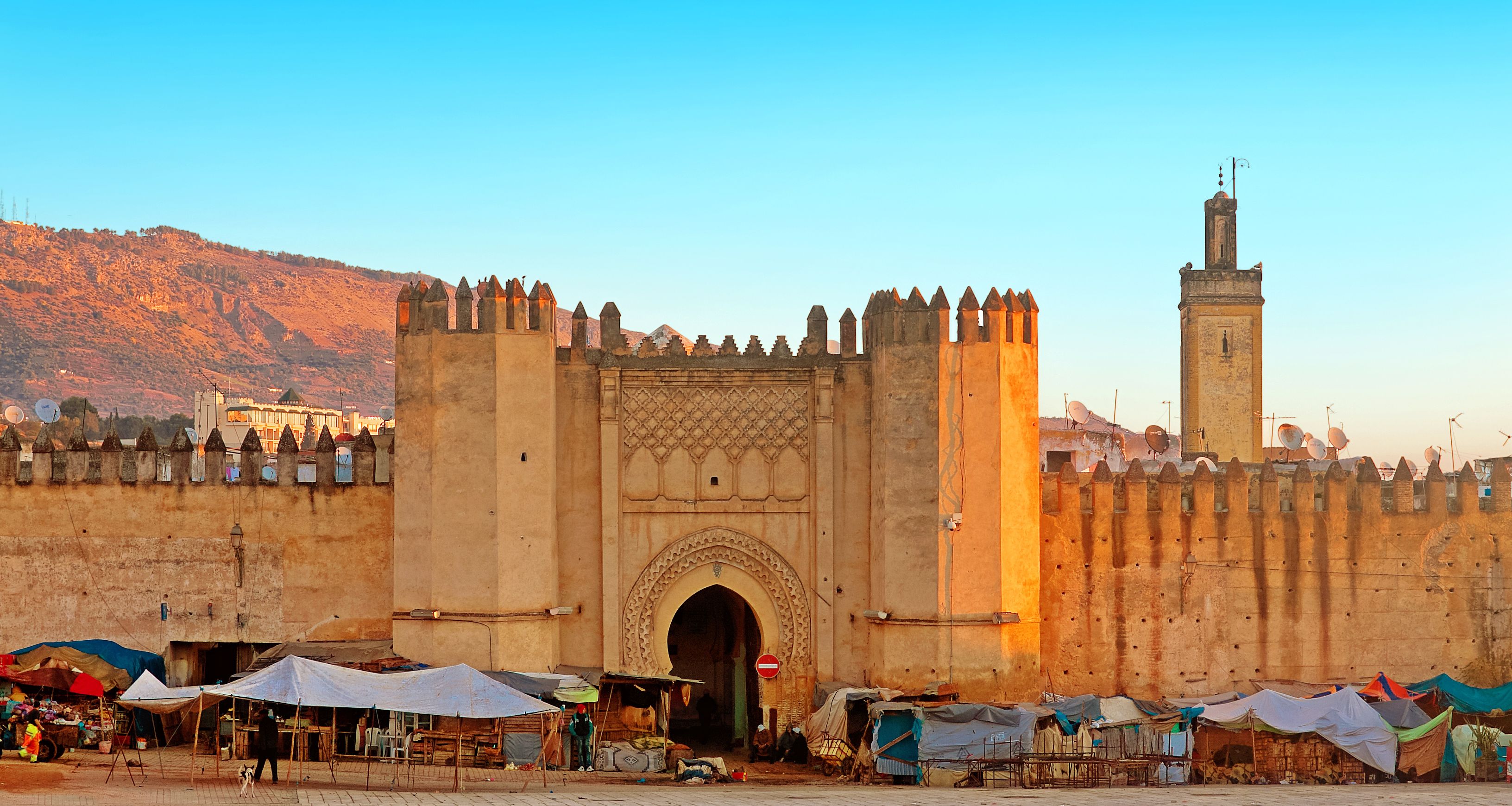
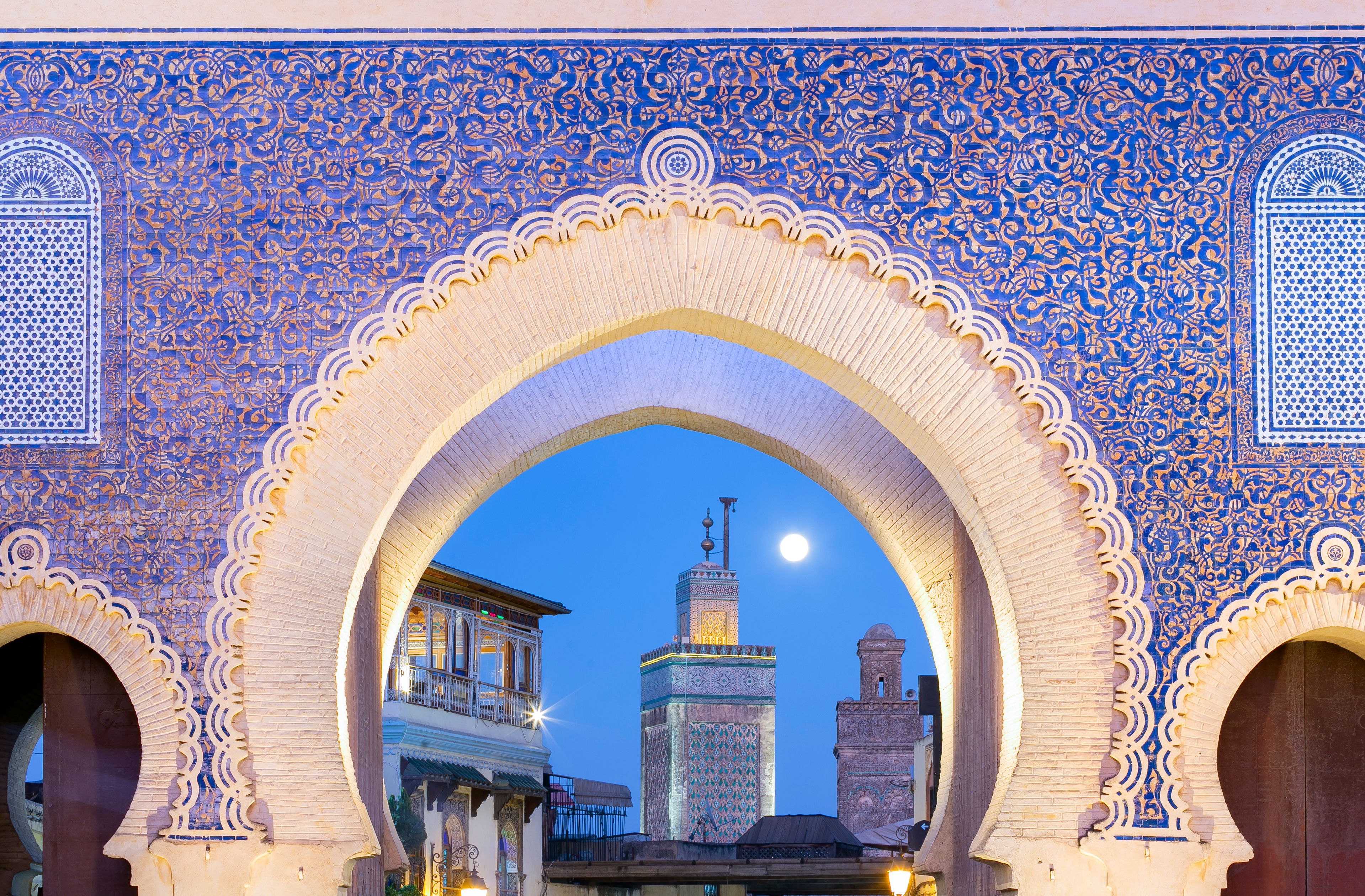
The most photogenic entrance to the medina is a spectacle in itself. Bab Boujloud, built in 1913 in Moroccan-Andalusian style, owes its name to the stunning blue faience tiles on the outside — the color of Fez. Inside, the gate is clad in green, the color of Islam. Those who pass through here literally enter the old city. The surrounding cafes are a popular spot to watch the flow of people, donkeys with merchandise, and agile couriers while enjoying a glass of mint tea. A timeless street scene.

Accommodations in Fez
Exclusive overnight stays in Marrakech? From characterful boutique hotels to luxurious accommodations, our specialists have selected the finest hotels with the best service for you.