Experience Tanzania
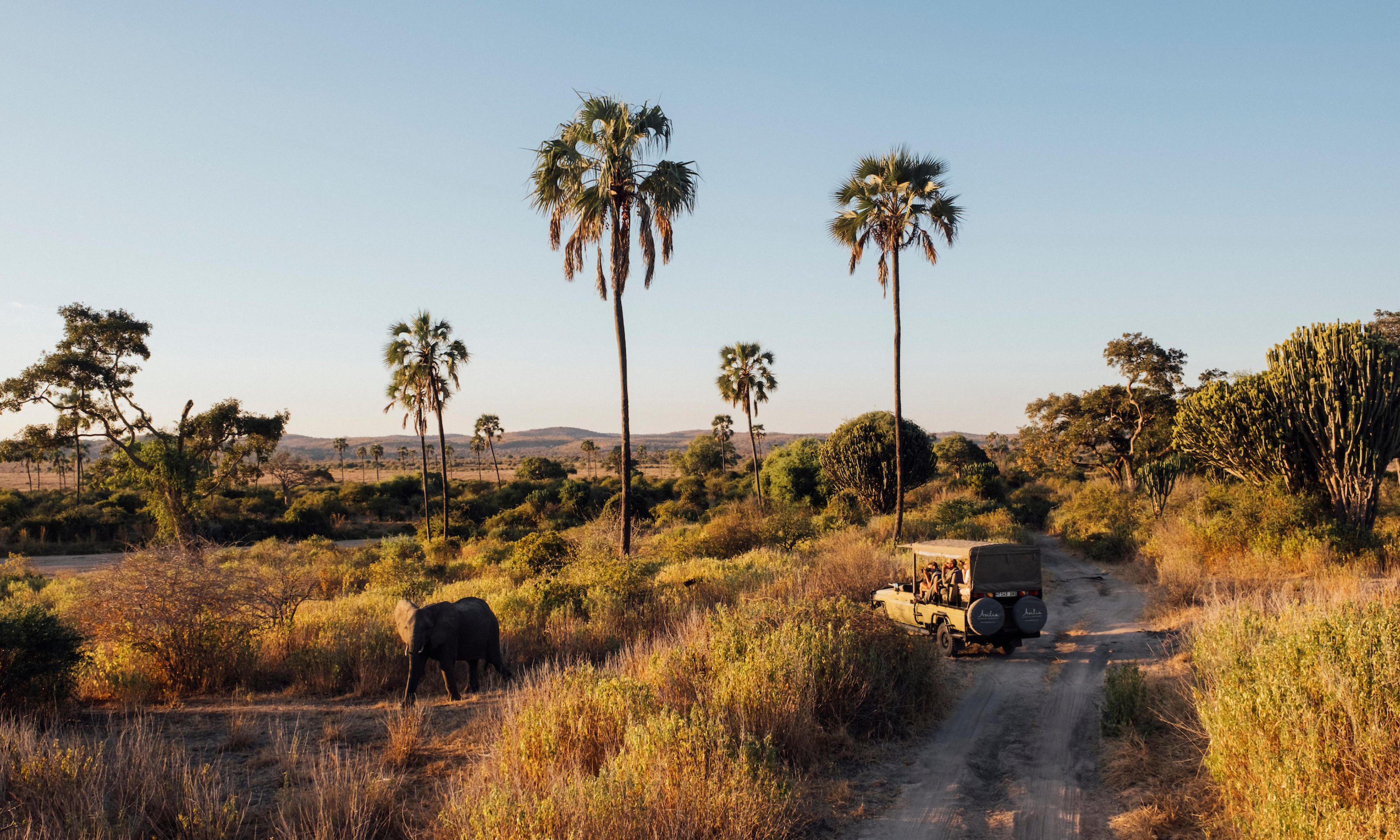
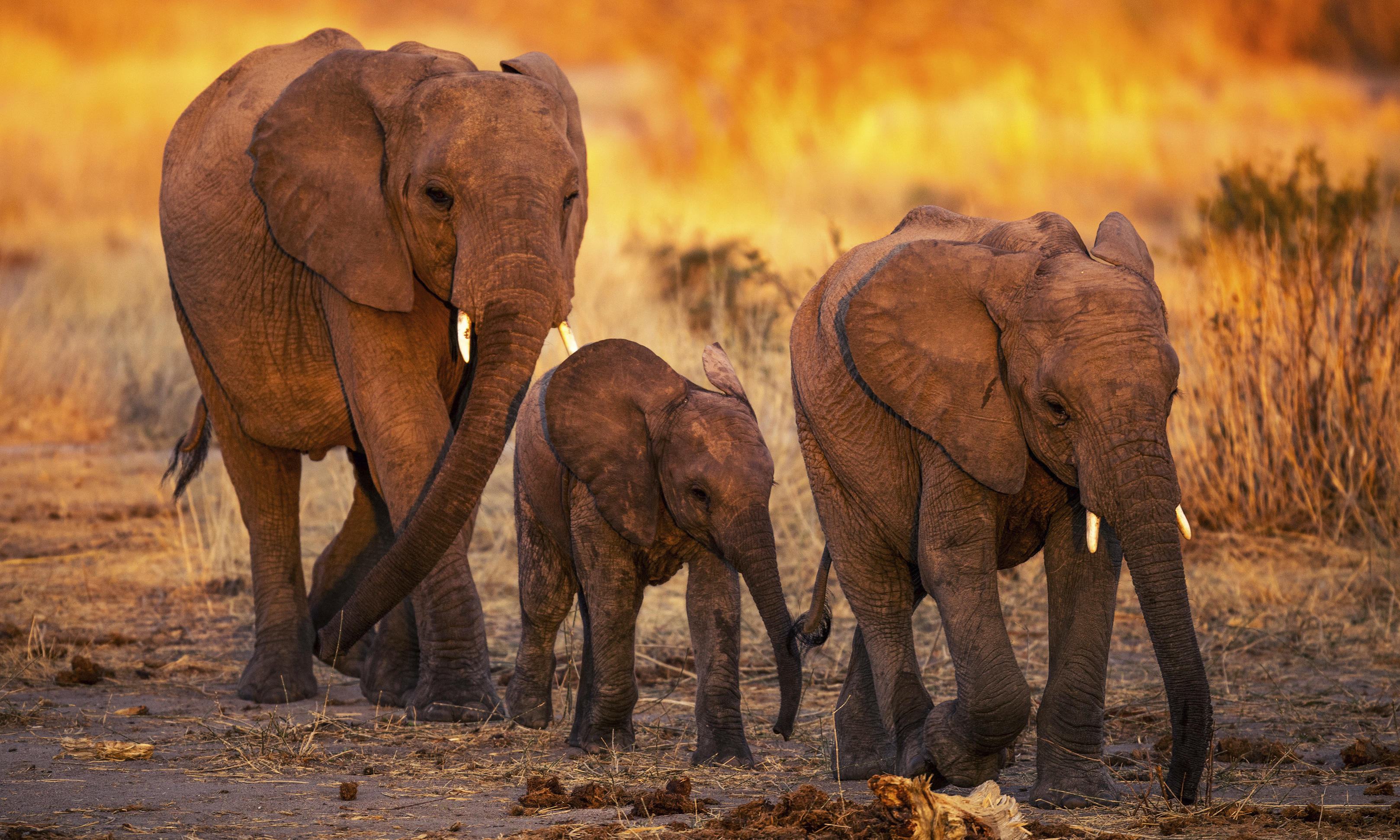
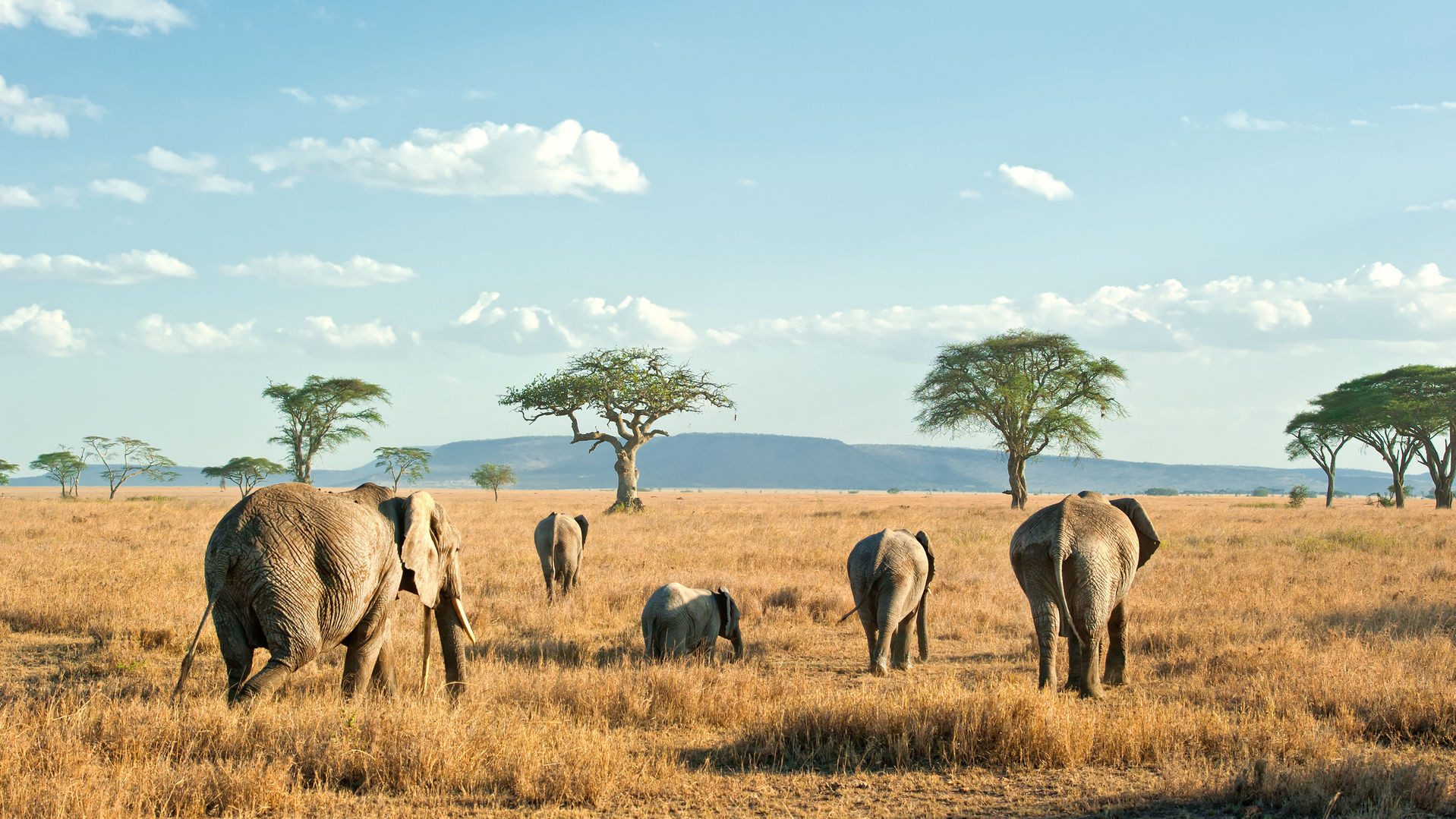
Tanzania is the ultimate destination for an exclusive safari experience. A large part of the country is protected as national parks or reserves, where wildlife roams freely in their pristine, natural habitats. As a guest, you become part of this breathtaking world during a private safari, complete with personal guides and luxurious accommodations nestled in nature. Despite the abundance of wildlife, the number of visitors remains limited, allowing you to enjoy the peace and beauty of the African landscape without disturbance.
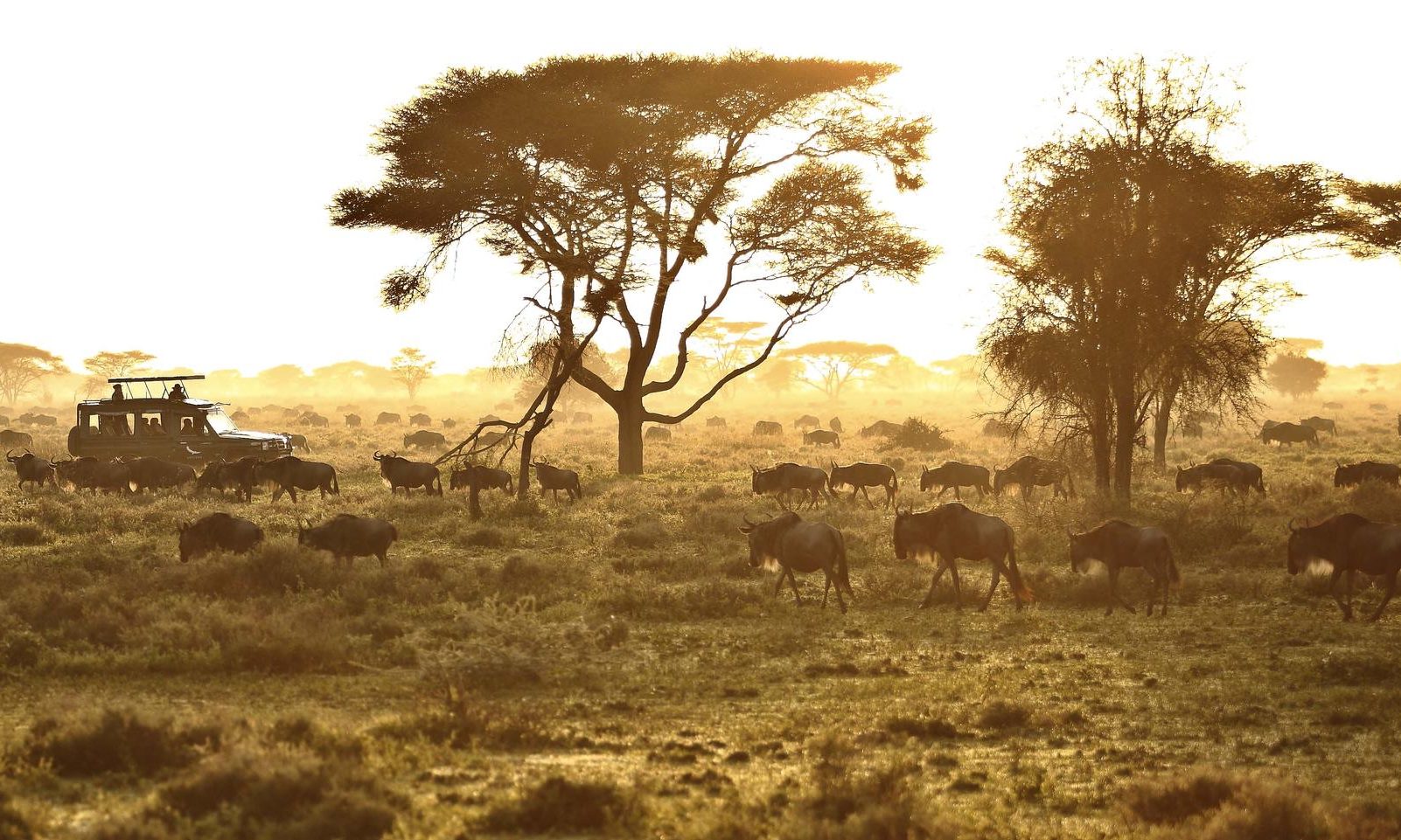
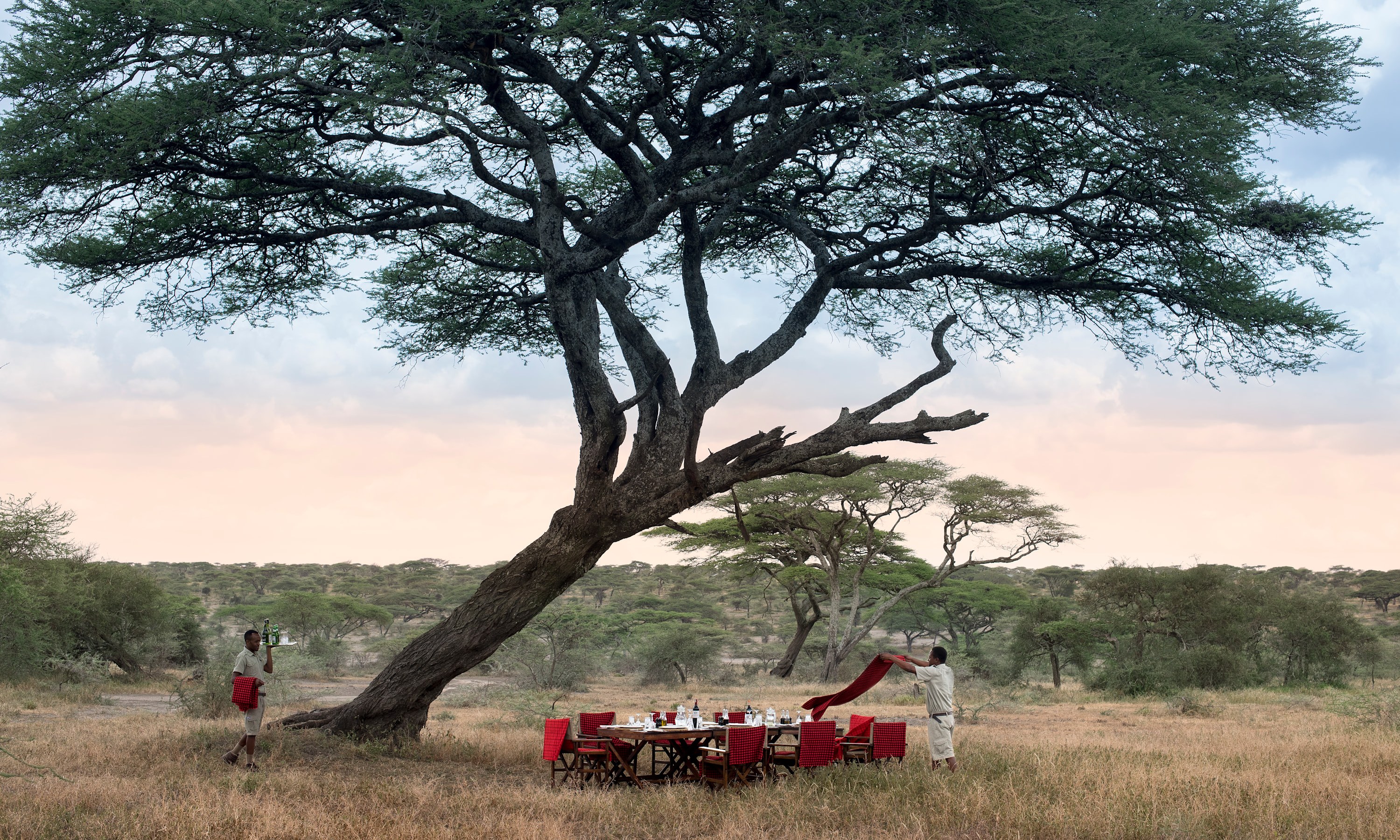
Each national park offers a unique experience: from the endless savannahs of the Serengeti, where the horizon is only broken by graceful acacia trees, to the lush, green crater of Ngorongoro and the majestic baobab trees in Tarangire National Park. Here, you will feel like the star of your own wildlife documentary, surrounded by Africa’s most iconic species.
Highlights | Sample Trip | Accommodations | Practical Information

What you can expect:
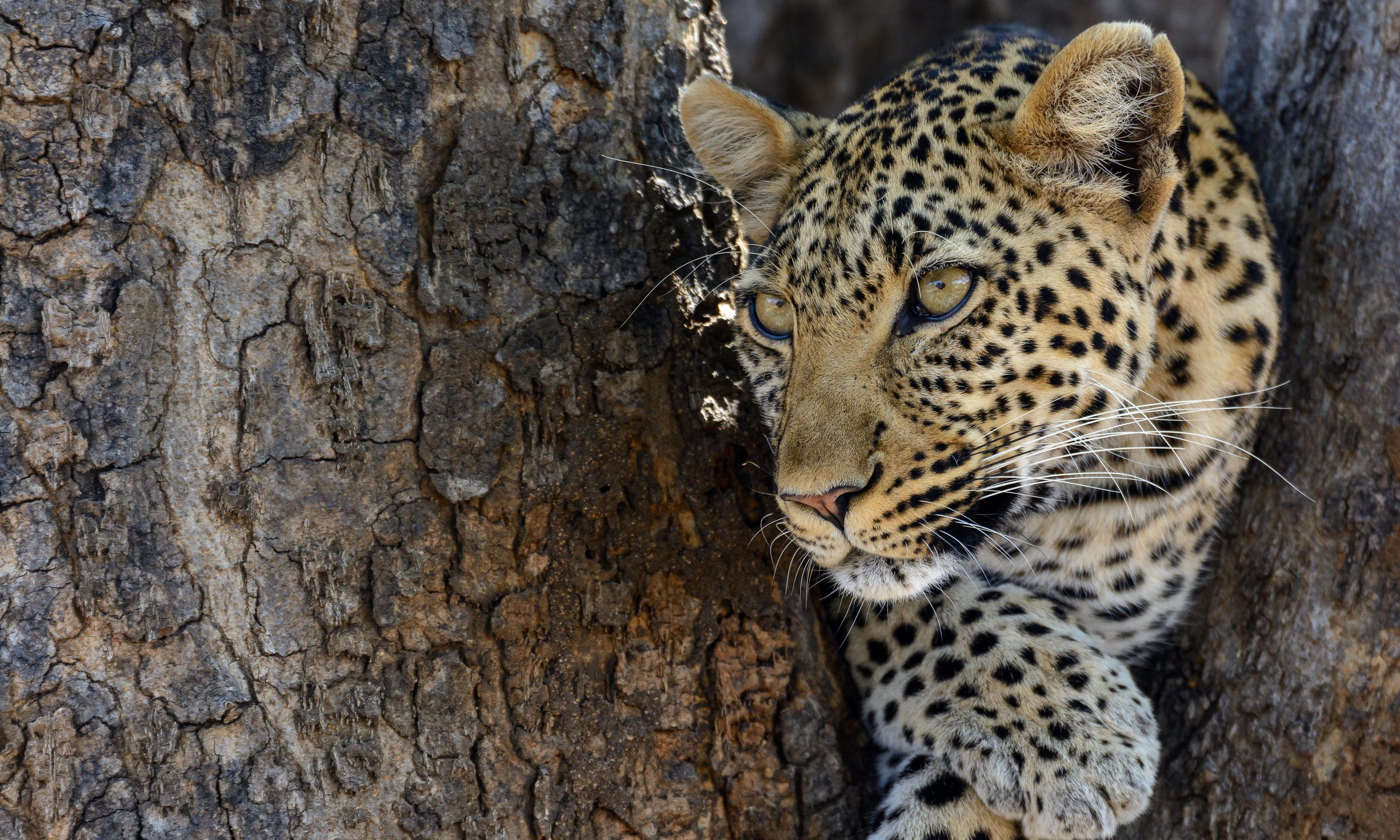
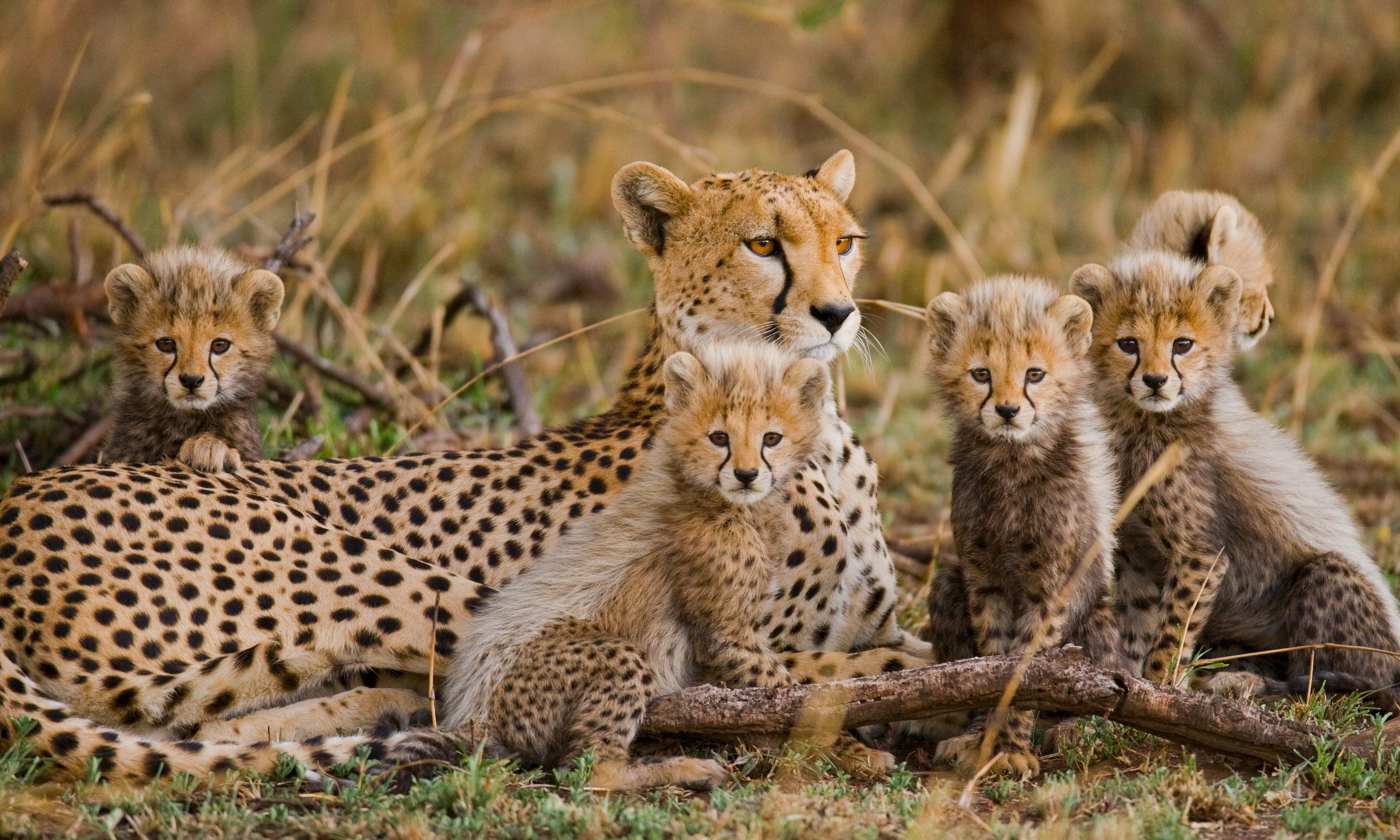
- The ultimate safari destination, with a very high chance of seeing the Big Five
- Luxury and highly atmospheric lodges and safari camps
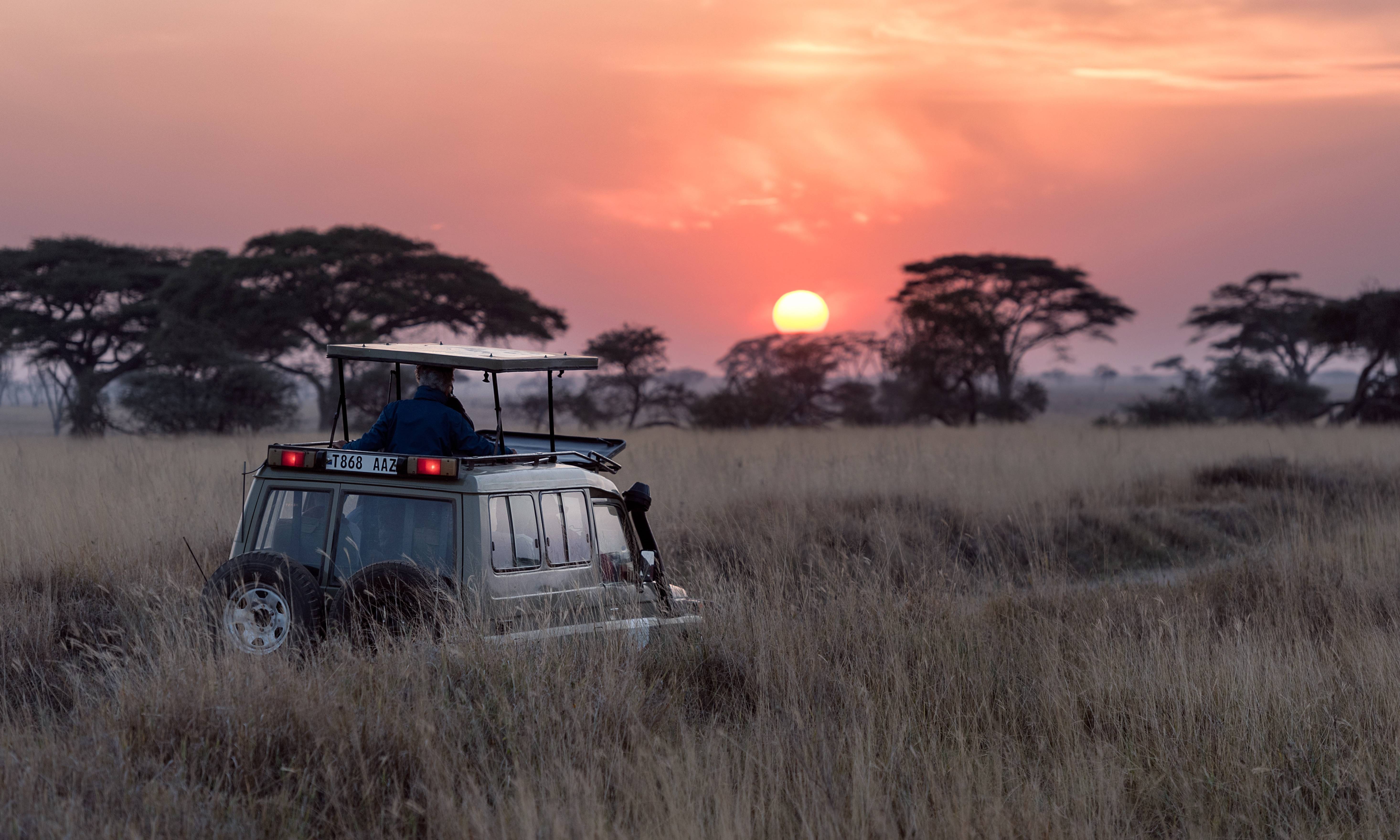
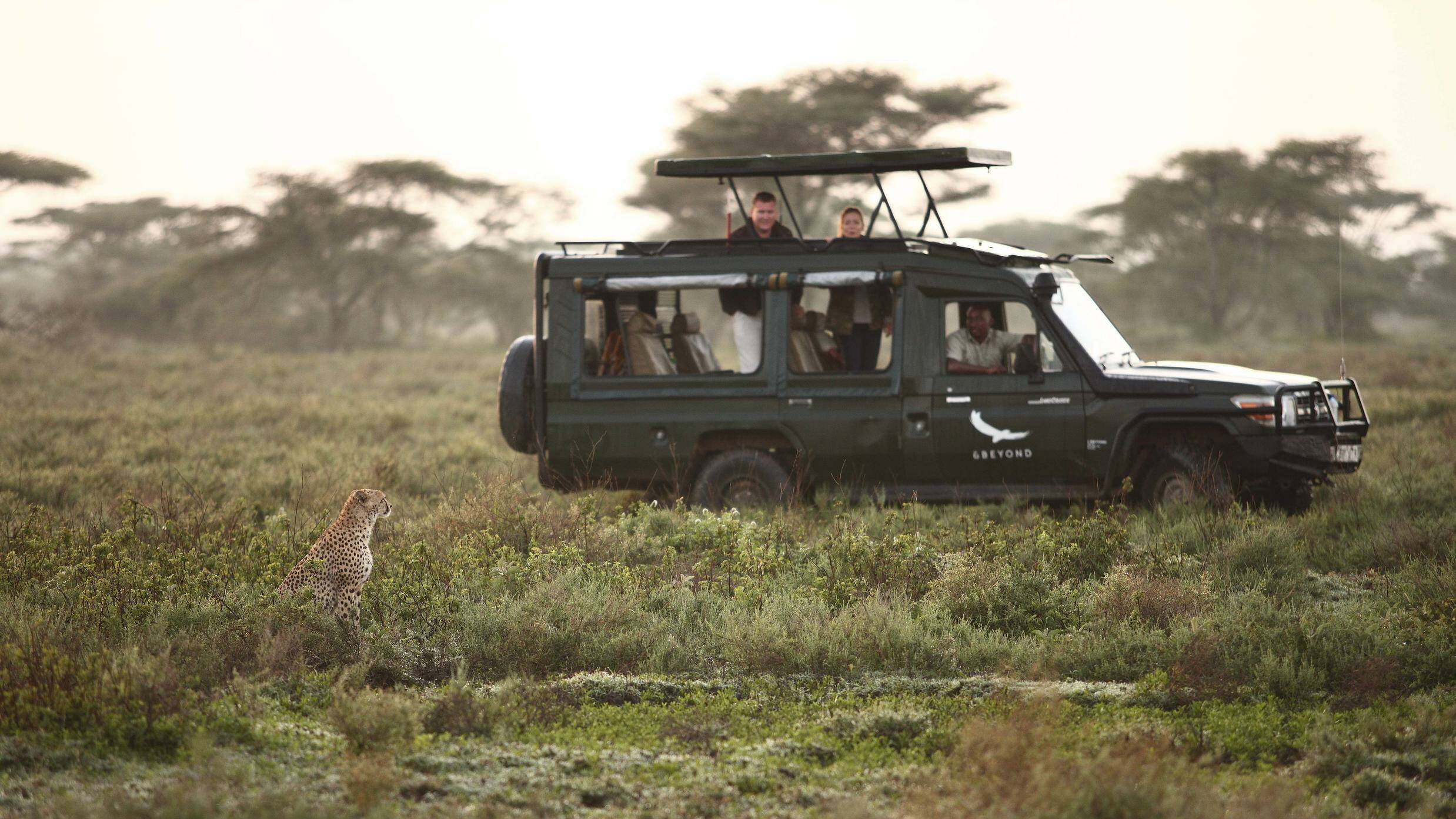
- Comfortable 4WD vehicles and highly experienced rangers
- Enjoy delicious meals under the stars
- End with a tropical beach stay on the Bounty Island Zanzibar
Fly-in safari or 4WD
Tanzania is a country with overwhelming wildlife. The animals in the national parks are a must-see for every traveler. There are two ways to go on safari in Tanzania: by 4WD or by plane. On the northern circuit, both options are available, while on the southern circuit, the distances are too great and mainly offer so-called fly-in safaris. A fly-in safari is an excellent choice if you have limited time or if the distances between parks are too large. You will be transported from park to park in a small aircraft. The lodges within the national parks arrange the game drives. A fly-in safari is an efficient way to see much of Tanzania in a short period.
Unique safari lodges
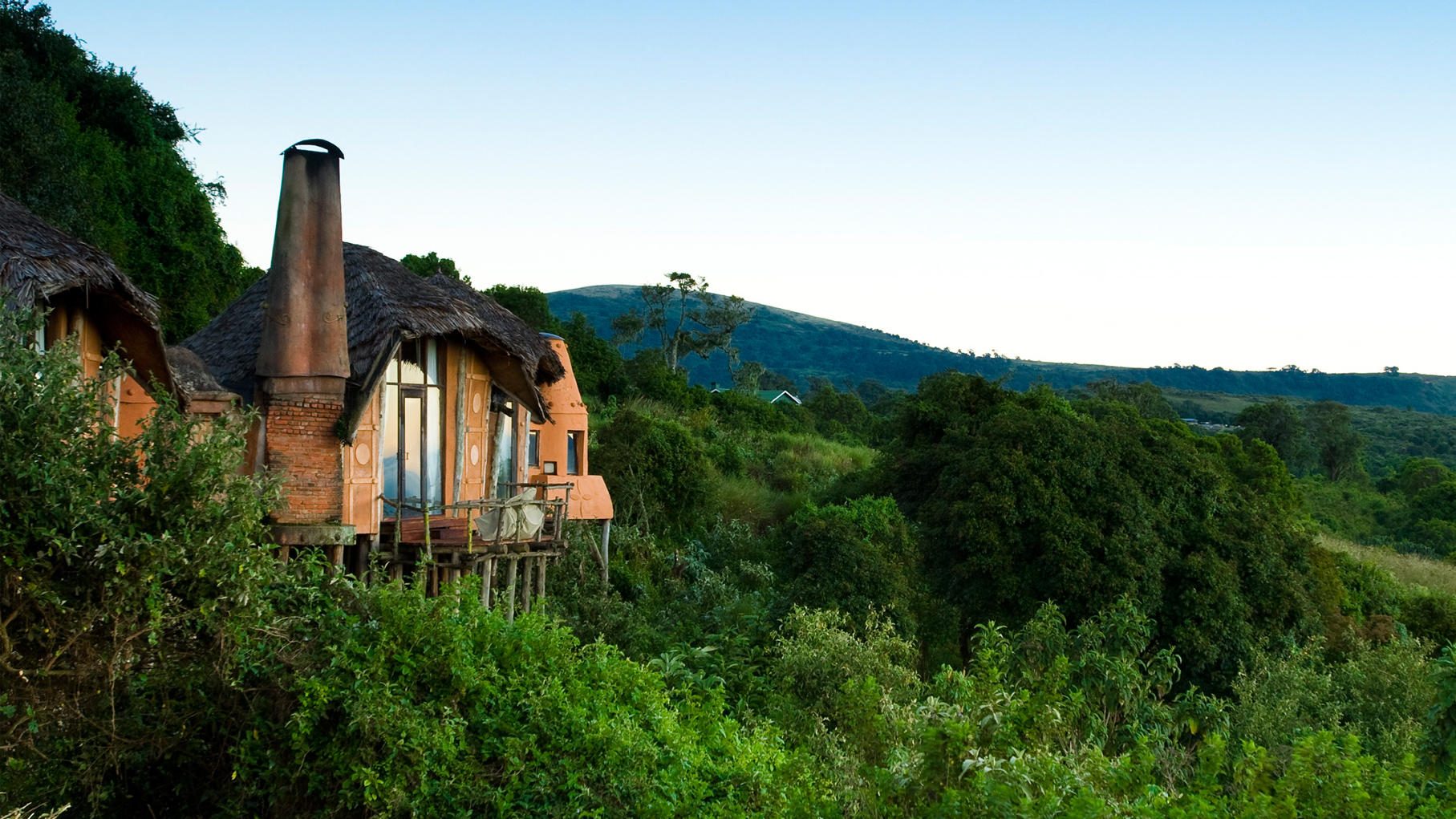
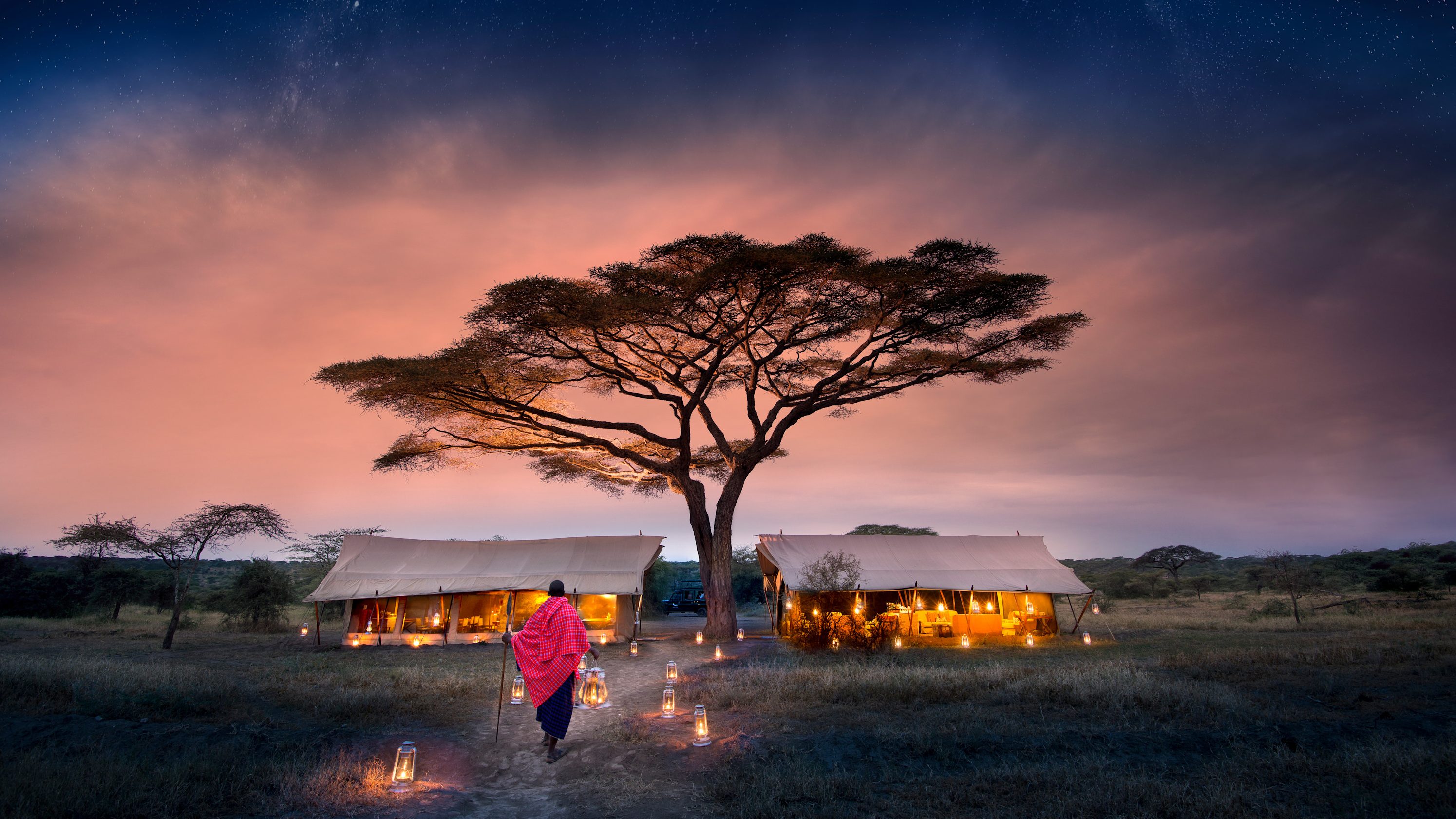
The safari lodges in Tanzania are of unmatched quality. Each lodge and camp is unique, but all will embrace you and make you feel at home with their warm hospitality. The suites and safari tents are equipped with all comforts and amenities, featuring comfortable beds and ensuite bathrooms. The chorus of animal sounds in the background when you go to sleep and wake up completes your safari experience.
Natural beauty and cultural experiences
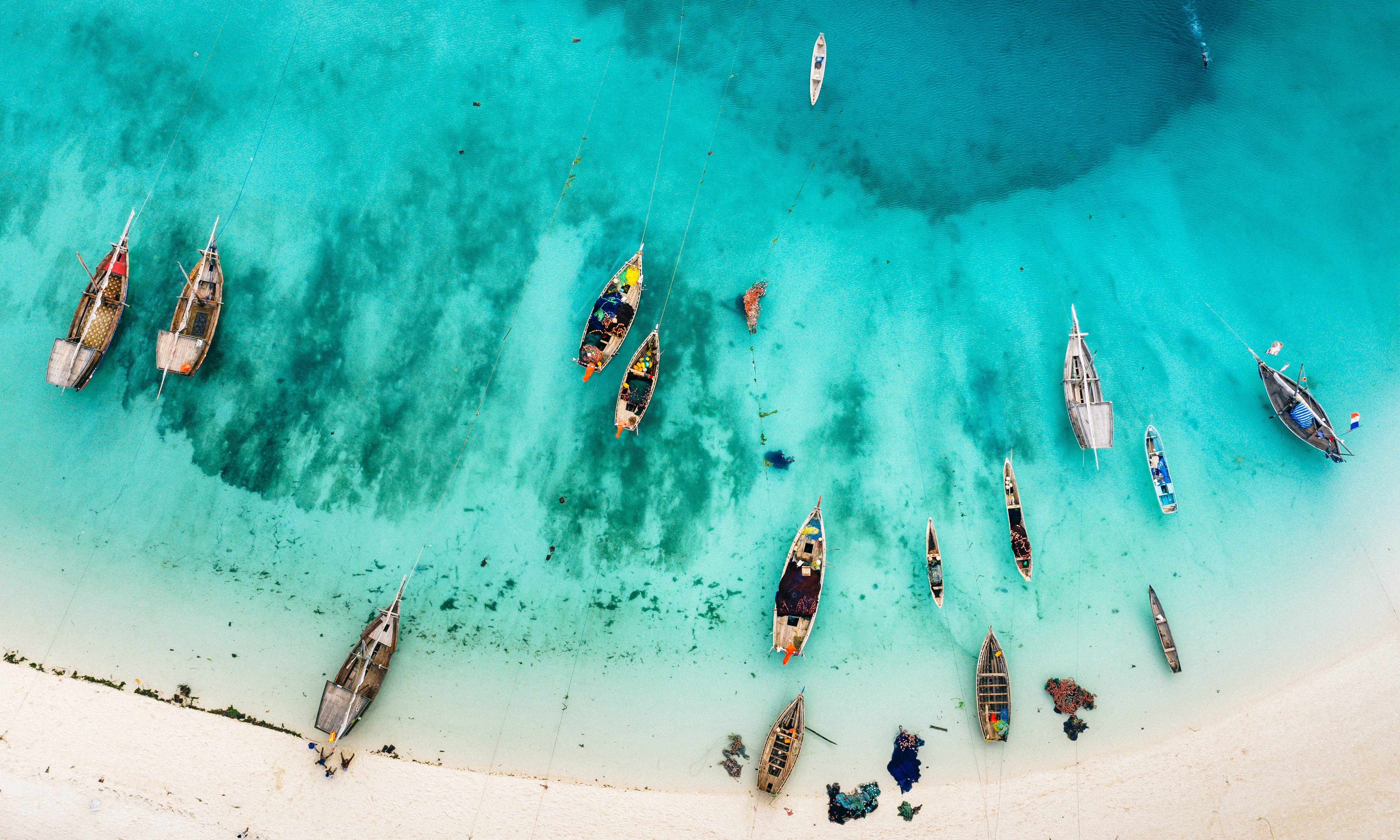
Besides incredible natural beauty, Tanzania also boasts a rich cultural heritage. During your journey, you will have the opportunity to visit a local village or Maasai boma. Meet the fascinating Maasai in their colorful clothing and jewelry, and learn more about their unique lifestyle and heritage. The ultimate conclusion of a trip through Tanzania is a stay on the enchanting islands of Zanzibar. Here, you can enjoy dazzling white sandy beaches and azure blue seawater.
Tanzania at a Glance

INSPIRATION TRIP: THE WILD NATURE OF NORTHERN TANZANIA
Luxury private tour | 13 days
Tanzania is the ultimate destination for an unforgettable safari experience. A large part of the country consists of national parks and wildlife reserves, where all the well-known large animals and many smaller, lesser-known species roam freely, and nature takes its course. During this trip, you will experience this up close, and you will conclude your journey with a relaxing stay on the island paradise of Zanzibar.
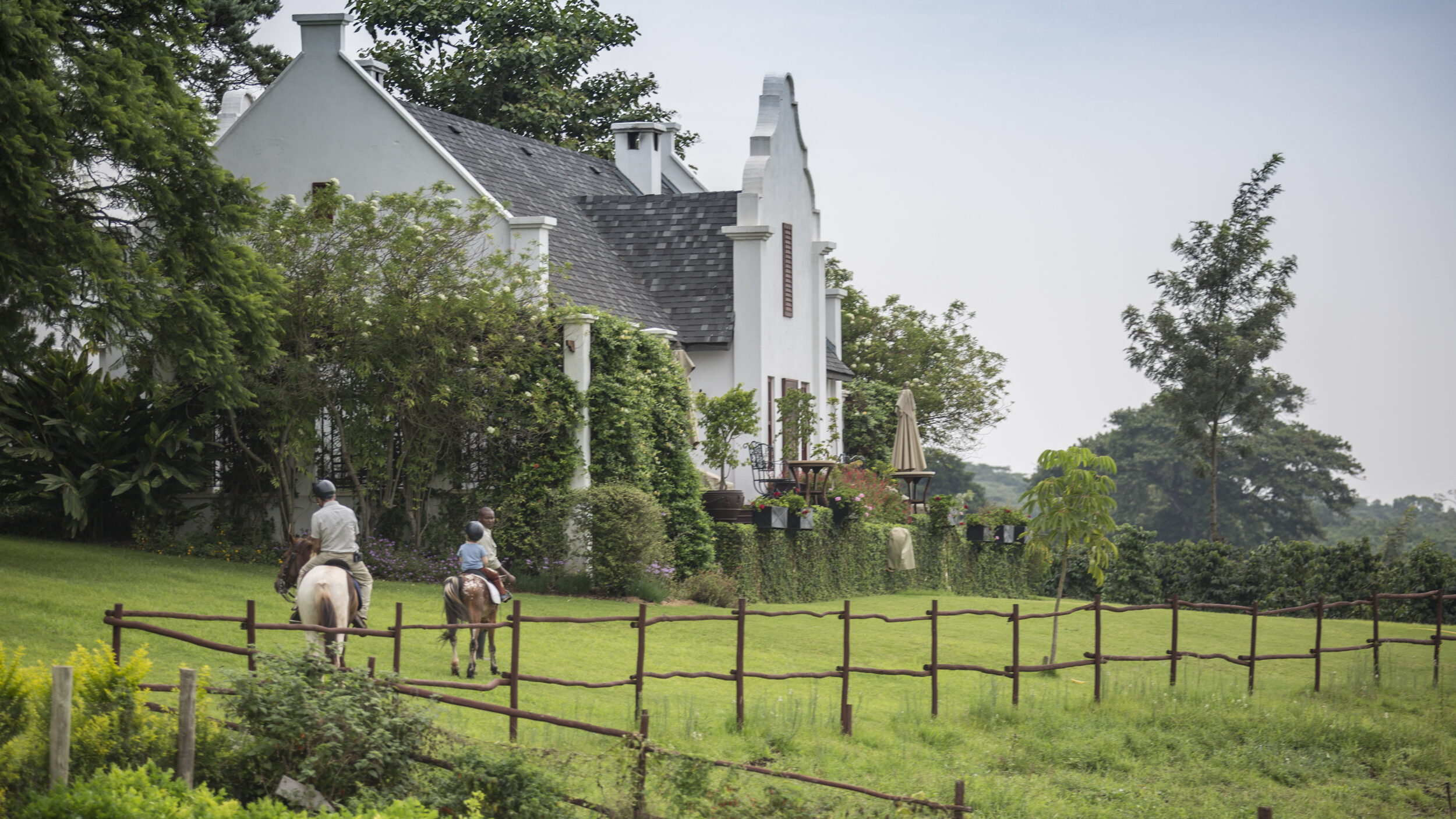
Stay in exclusive hotels
Turn Your Journey into an Unforgettable Experience
We create tailor-made trips for those seeking an extraordinary experience that goes beyond the usual. Our team of talented travel designers and local guides work closely together to craft your ultimate travel experience, allowing you to truly immerse yourself in the destination.
Highlights
Tanzania is renowned for its breathtaking scenery and rich wildlife, offering something for everyone. Whether you are seeking an adventurous safari, stunning white beaches, or a cultural experience, you will find it all in Tanzania. Our destination experts have curated a selection of the best places to visit in Tanzania to help you make the most of your trip. You can incorporate these destinations into your journey in various ways.

Serengeti National Park
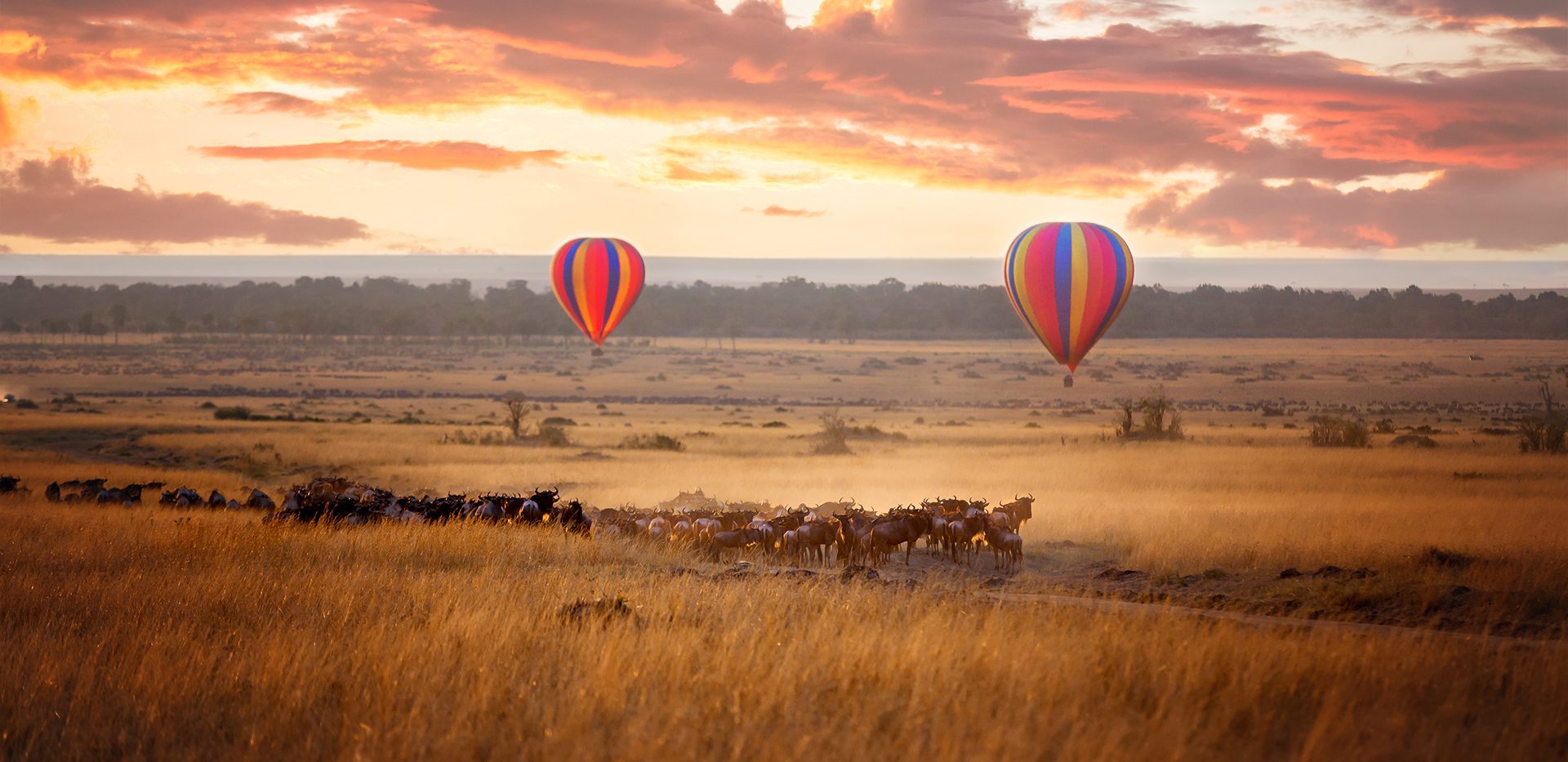
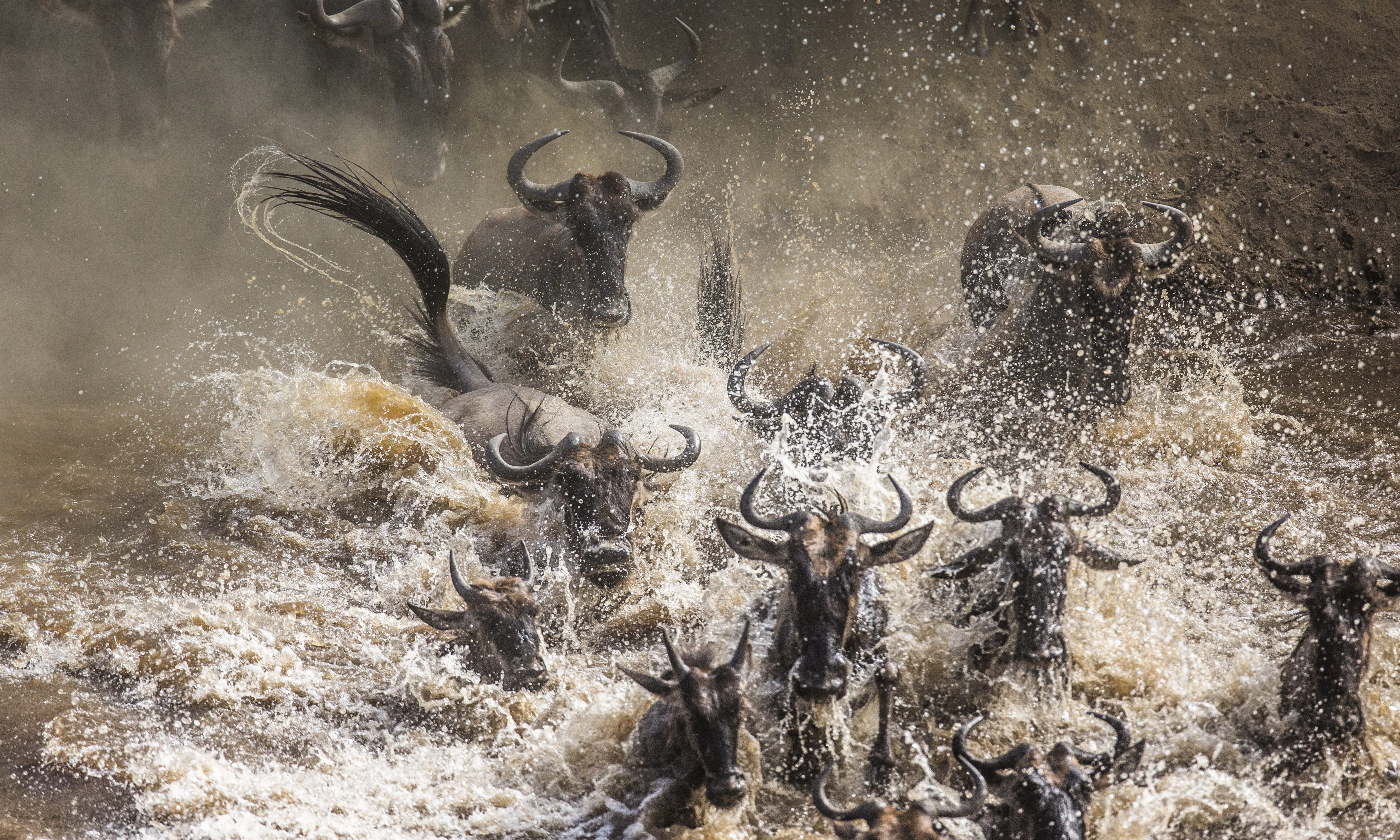
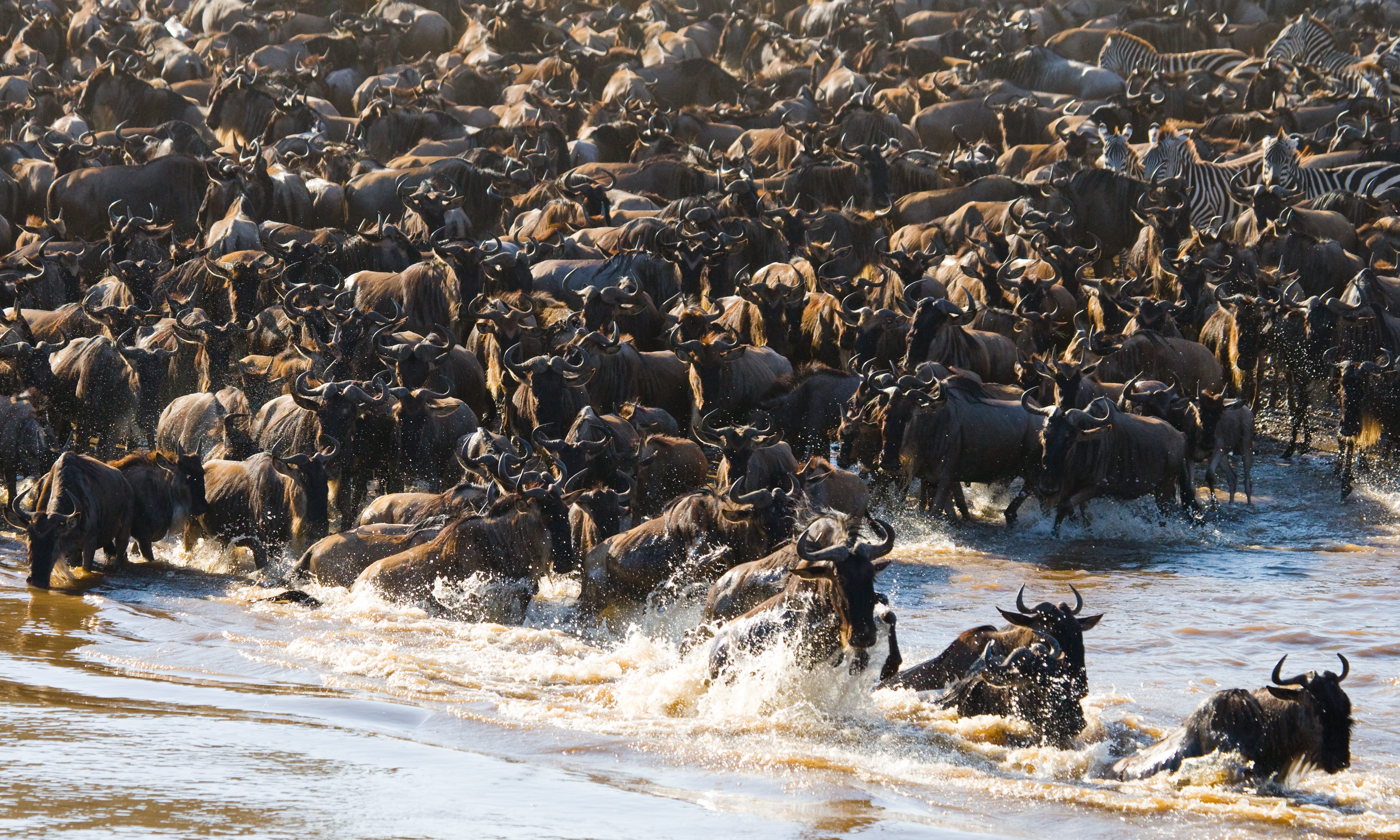
The Serengeti National Park is one of the most renowned national parks in the world and is famous for the annual Great Migration. Over a million wildebeests and hundreds of thousands of zebras and gazelles travel during this 'migration' over a distance of more than 1,800 kilometers from the Serengeti to the Masai Mara in Kenya.
Ngorongoro Crater
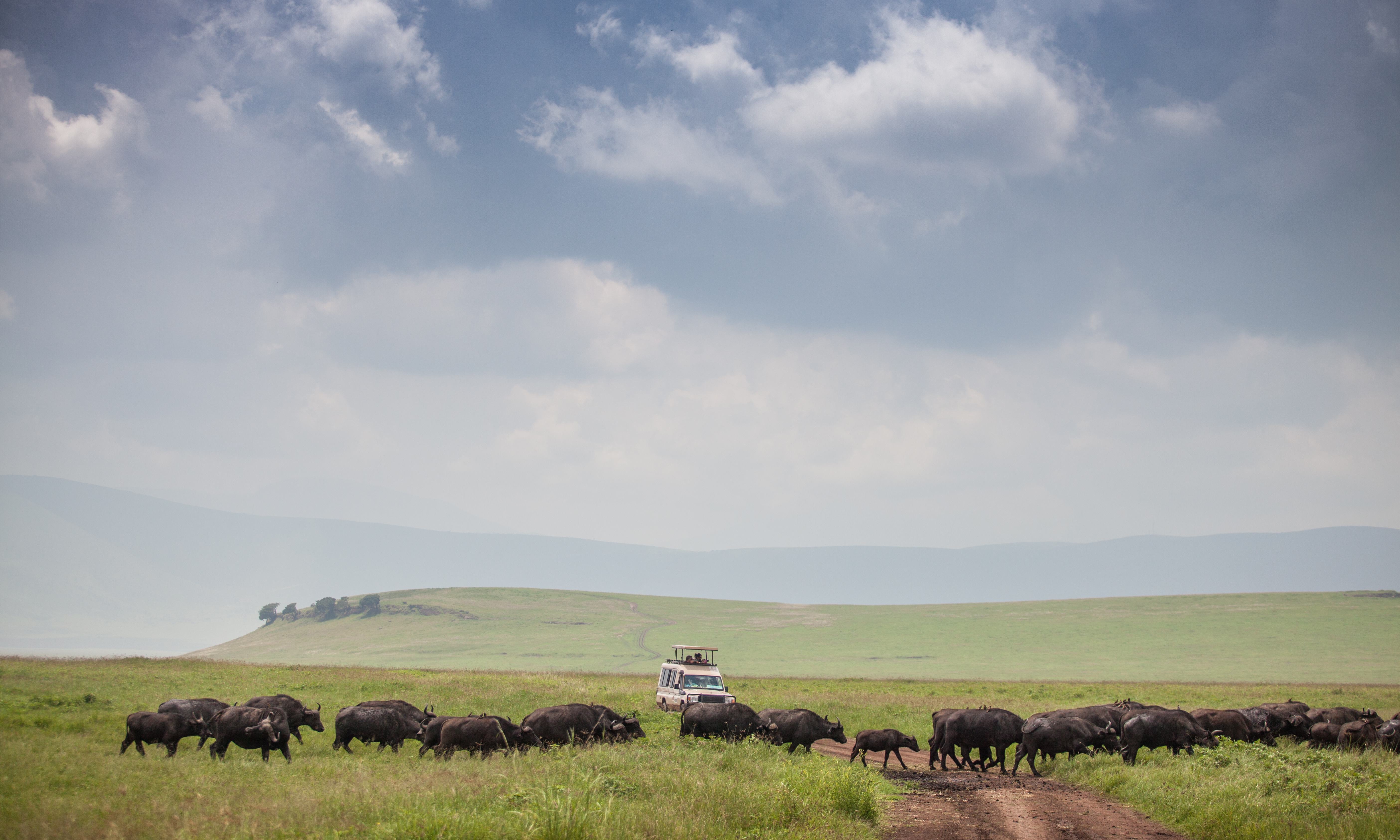
The Ngorongoro Crater is a unique place in Tanzania, home to a high concentration of wildlife. Stay at a higher elevation on the edge of the crater and descend into this stunning landscape for an unforgettable game drive.


Zanzibar
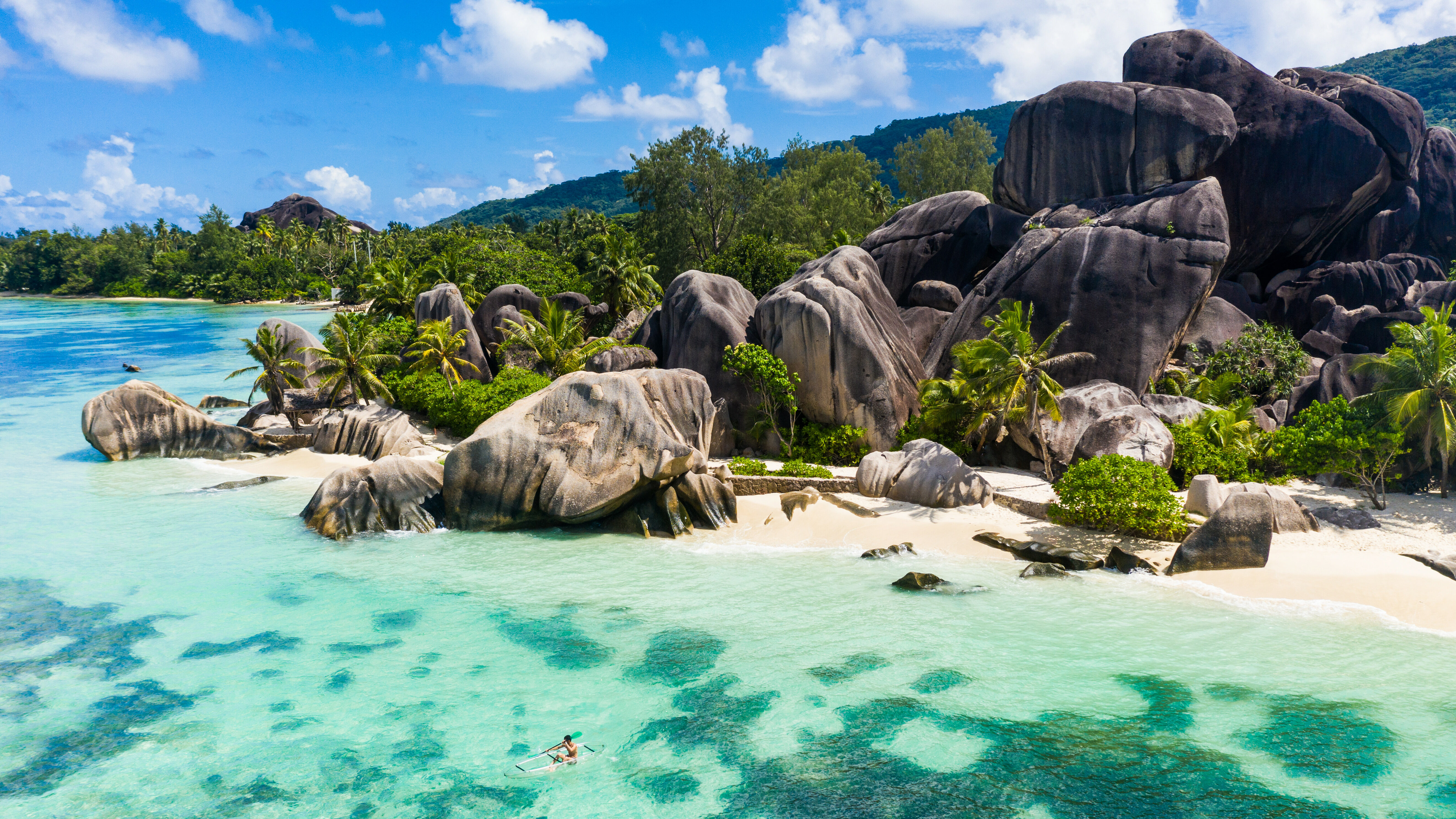
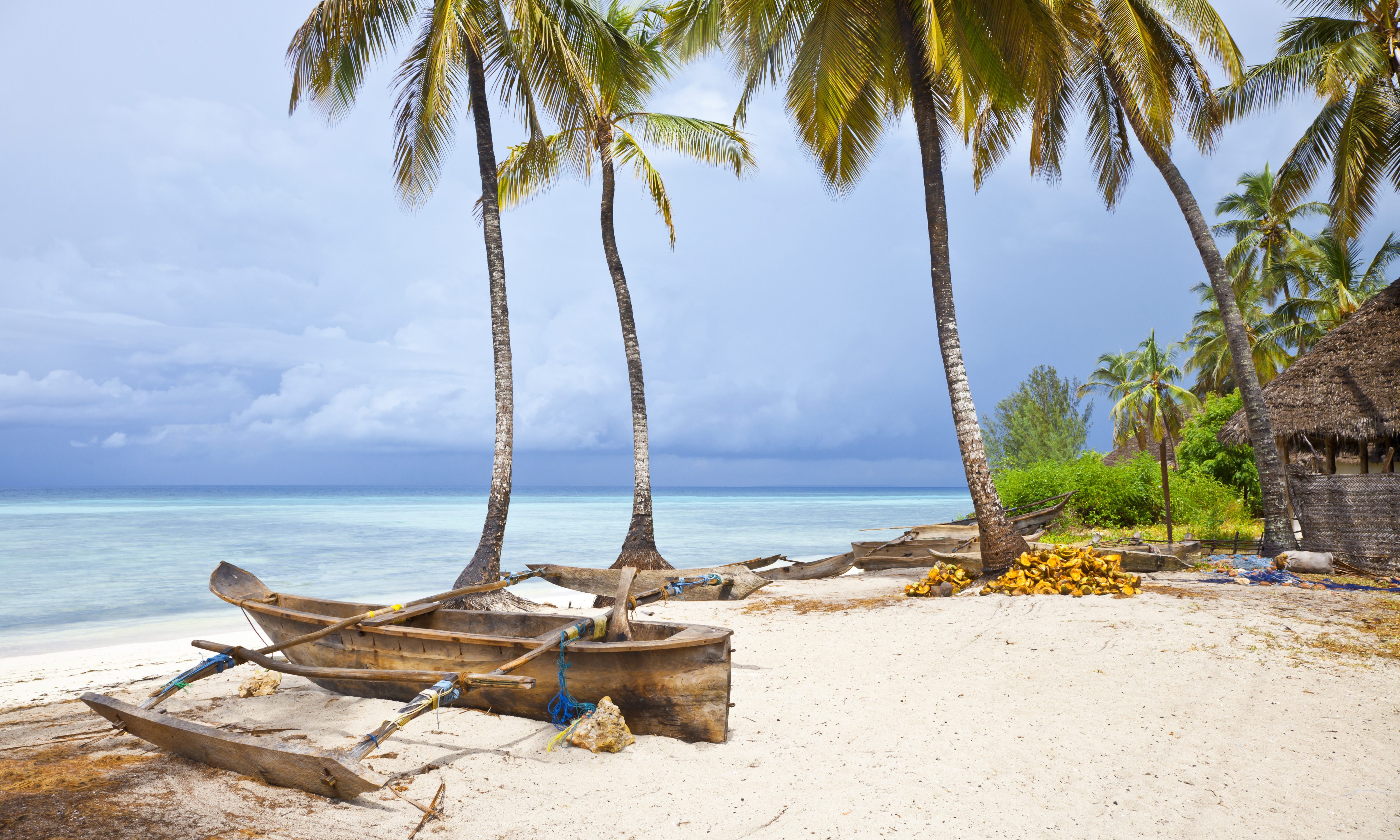
Real bounty islands, they still exist. Snow-white sandy beaches, swaying palm trees, and turquoise blue seas – this is the view in Zanzibar. Here, life is still wonderfully relaxed, and your beach holiday will mainly consist of unwinding, delicious food, and pure enjoyment.
Climate & Best Time to Travel
The climate in Tanzania experiences no extremes, making it suitable for travel throughout the entire year. However, there are two dry seasons and two rainy seasons to keep in mind when planning your trip.
From mid-March to mid-May, the 'long rains' occur. These are the wettest months of the year. Typically, there are heavy showers every day that can last a bit longer. Travel times may be longer because roads become muddy and less accessible.
From mid-October to mid-December, the 'short rains' fall. This rainy season is shorter and less intense. Although showers can occur, you are unlikely to experience much inconvenience during safaris in this period.
Temperatures in Tanzania remain fairly constant. On average, daytime temperatures range between 24 and 29 degrees Celsius, dropping to around 15 degrees at night. In the higher-altitude Ngorongoro Crater, it is somewhat cooler, with a maximum of 20 degrees during the day and 8 degrees at night.
The Great Migration
The 'Great Migration' is one of the most impressive natural spectacles in the world. Annually, 1.5 to 2 million wildebeests, zebras, and gazelles traverse the vast plains of the Serengeti in Tanzania towards the Maasai Mara in Kenya and back again. They leave the drought behind and follow the water. To witness the migration, your best chance in the western Serengeti is during the period April to June. From December to March, the best viewing is in the east. During this time, you can see many animals grazing on the 'short grass plains' between the Serengeti and the Ngorongoro Crater. Although there may not be much movement, you will see endless herds, which is a truly magnificent sight.
Vaccinations & health
Vaccinations
It is always recommended to seek advice well before your trip about the necessary vaccinations. For a visit to Tanzania, you will need malaria tablets, as malaria is prevalent in Tanzania. Additionally, vaccinations for DTP, typhoid, and Hepatitis A are advised. Sometimes, a yellow fever vaccination is required. Moreover, you will need a cholera stamp in your vaccination passport. You will receive this from the vaccination clinic. Don’t forget to bring your vaccination passport with you when traveling to Tanzania.
Contact Thuisvaccinaties.nl, your general practitioner, or GGD for advice.
Health Advice
Strong Sun
The sun is very intense in Tanzania. Always apply a sunscreen with a high SPF and be especially careful in the sea or pool. The cool water might make it seem like you’re not getting sunburned, but it actually intensifies the sun’s rays. Also, apply sunscreen on cloudy days, because UV rays can penetrate clouds and cause sunburn, especially if you have sensitive skin.
Stay Hydrated
In the tropical heat, you lose a lot of fluids. A deficiency can cause severe headaches. Therefore, it is recommended to drink plenty of water throughout the day. Also, bring sunglasses and a hat or cap.
Do not drink tap water
The tap water in Tanzania is not drinkable. Use bottled water even for brushing your teeth. Always ensure that bottled mineral water is sealed before opening. Be cautious with ice cubes in your drinks, as it is uncertain whether they are made from mineral water.
Time difference
The time difference between the Netherlands and Tanzania is quite small. During our winter time, it is 2 hours later in Tanzania, and during our summer time, only 1 hour later.
Money & currency
In Tanzania, the currency is the Tanzanian Shilling (TZS). You cannot order it in advance, and you are not allowed to import or export Tanzanian Shillings. Upon arrival at the airport in Tanzania, you can exchange money or withdraw cash. If you prefer to bring some cash with you, it is best to take USD, not older than 2006, and in good condition.
Cash withdrawal via ATM is possible in larger towns and on Zanzibar, provided your bank card is suitable for international use and has worldwide coverage. Remember to activate your bank card for international use before departure.
During your safari, you may not be able to withdraw cash everywhere; therefore, ensure you withdraw some extra cash before heading out on your safari. You can generally withdraw at Stanbic Bank, where it usually works well. On Zanzibar, cash withdrawals are only possible at the airport or in Stone Town. Make sure you have enough cash for your entire beach stay.
It is advisable to bring not only your bank card but also a credit card (don’t forget your PIN!). You can pay with your credit card at better restaurants and more luxurious lodges and camps.
Travel documents / Visa
Travelers to Tanzania need a Dutch passport / Belgian International Travel Document, which must be valid for at least six months upon departure from Tanzania. Additionally, a tourist e-visa is required.
You can arrange your tourist e-visa online in advance from home. The cost is USD 50 per person and must be paid by credit card at the time of application.
Note: it takes approximately 2-3 weeks for the e-visa to be approved. Once issued, you must use the visa within 3 months. Please ensure you apply for the visa neither too early nor too late.
Mobile & Internet
In most cities in Tanzania, you will have good mobile coverage. Once you leave the cities and travel inland, the mobile coverage remains limited.
One of the better networks is Safaricom. Please note that mobile costs in Tanzania are quite high. It is therefore advisable to purchase a local SIM card if you have a SIM-lock free mobile phone. This allows you to make inexpensive calls within Tanzania (calling abroad is still expensive), and you can also use mobile internet. But again: the mobile internet/coverage inland is limited and often not very strong.
Most hotels, lodges, and safari camps offer free Wi-Fi. However, Wi-Fi is not always very stable or strong either. In short, keep in mind that you will be less easily reachable when you are on a safari trip in Tanzania.
Vaccinations & health
Time difference
Money & currency
Travel documents / Visa
Mobile & Internet
Climate & Best Time to Travel
The climate in Tanzania experiences no extremes, making it suitable for travel throughout the entire year. However, there are two dry seasons and two rainy seasons to keep in mind when planning your trip.
From mid-March to mid-May, the 'long rains' occur. These are the wettest months of the year. Typically, there are heavy showers every day that can last a bit longer. Travel times may be longer because roads become muddy and less accessible.
From mid-October to mid-December, the 'short rains' fall. This rainy season is shorter and less intense. Although showers can occur, you are unlikely to experience much inconvenience during safaris in this period.
Temperatures in Tanzania remain fairly constant. On average, daytime temperatures range between 24 and 29 degrees Celsius, dropping to around 15 degrees at night. In the higher-altitude Ngorongoro Crater, it is somewhat cooler, with a maximum of 20 degrees during the day and 8 degrees at night.
The Great Migration
The 'Great Migration' is one of the most impressive natural spectacles in the world. Annually, 1.5 to 2 million wildebeests, zebras, and gazelles traverse the vast plains of the Serengeti in Tanzania towards the Maasai Mara in Kenya and back again. They leave the drought behind and follow the water. To witness the migration, your best chance in the western Serengeti is during the period April to June. From December to March, the best viewing is in the east. During this time, you can see many animals grazing on the 'short grass plains' between the Serengeti and the Ngorongoro Crater. Although there may not be much movement, you will see endless herds, which is a truly magnificent sight.
Vaccinations & health
Vaccinations
It is always recommended to seek advice well before your trip about the necessary vaccinations. For a visit to Tanzania, you will need malaria tablets, as malaria is prevalent in Tanzania. Additionally, vaccinations for DTP, typhoid, and Hepatitis A are advised. Sometimes, a yellow fever vaccination is required. Moreover, you will need a cholera stamp in your vaccination passport. You will receive this from the vaccination clinic. Don’t forget to bring your vaccination passport with you when traveling to Tanzania.
Contact Thuisvaccinaties.nl, your general practitioner, or GGD for advice.
Health Advice
Strong Sun
The sun is very intense in Tanzania. Always apply a sunscreen with a high SPF and be especially careful in the sea or pool. The cool water might make it seem like you’re not getting sunburned, but it actually intensifies the sun’s rays. Also, apply sunscreen on cloudy days, because UV rays can penetrate clouds and cause sunburn, especially if you have sensitive skin.
Stay Hydrated
In the tropical heat, you lose a lot of fluids. A deficiency can cause severe headaches. Therefore, it is recommended to drink plenty of water throughout the day. Also, bring sunglasses and a hat or cap.
Do not drink tap water
The tap water in Tanzania is not drinkable. Use bottled water even for brushing your teeth. Always ensure that bottled mineral water is sealed before opening. Be cautious with ice cubes in your drinks, as it is uncertain whether they are made from mineral water.
Time difference
The time difference between the Netherlands and Tanzania is quite small. During our winter time, it is 2 hours later in Tanzania, and during our summer time, only 1 hour later.
Money & currency
In Tanzania, the currency is the Tanzanian Shilling (TZS). You cannot order it in advance, and you are not allowed to import or export Tanzanian Shillings. Upon arrival at the airport in Tanzania, you can exchange money or withdraw cash. If you prefer to bring some cash with you, it is best to take USD, not older than 2006, and in good condition.
Cash withdrawal via ATM is possible in larger towns and on Zanzibar, provided your bank card is suitable for international use and has worldwide coverage. Remember to activate your bank card for international use before departure.
During your safari, you may not be able to withdraw cash everywhere; therefore, ensure you withdraw some extra cash before heading out on your safari. You can generally withdraw at Stanbic Bank, where it usually works well. On Zanzibar, cash withdrawals are only possible at the airport or in Stone Town. Make sure you have enough cash for your entire beach stay.
It is advisable to bring not only your bank card but also a credit card (don’t forget your PIN!). You can pay with your credit card at better restaurants and more luxurious lodges and camps.
Travel documents / Visa
Travelers to Tanzania need a Dutch passport / Belgian International Travel Document, which must be valid for at least six months upon departure from Tanzania. Additionally, a tourist e-visa is required.
You can arrange your tourist e-visa online in advance from home. The cost is USD 50 per person and must be paid by credit card at the time of application.
Note: it takes approximately 2-3 weeks for the e-visa to be approved. Once issued, you must use the visa within 3 months. Please ensure you apply for the visa neither too early nor too late.
Mobile & Internet
In most cities in Tanzania, you will have good mobile coverage. Once you leave the cities and travel inland, the mobile coverage remains limited.
One of the better networks is Safaricom. Please note that mobile costs in Tanzania are quite high. It is therefore advisable to purchase a local SIM card if you have a SIM-lock free mobile phone. This allows you to make inexpensive calls within Tanzania (calling abroad is still expensive), and you can also use mobile internet. But again: the mobile internet/coverage inland is limited and often not very strong.
Most hotels, lodges, and safari camps offer free Wi-Fi. However, Wi-Fi is not always very stable or strong either. In short, keep in mind that you will be less easily reachable when you are on a safari trip in Tanzania.
Turn Your Journey into an Unforgettable Experience
We design tailor-made trips for those seeking an extraordinary experience that goes beyond the usual. Our team of talented travel designers and local guides work closely together to create the ultimate travel experience and truly immerse you in the destination.